
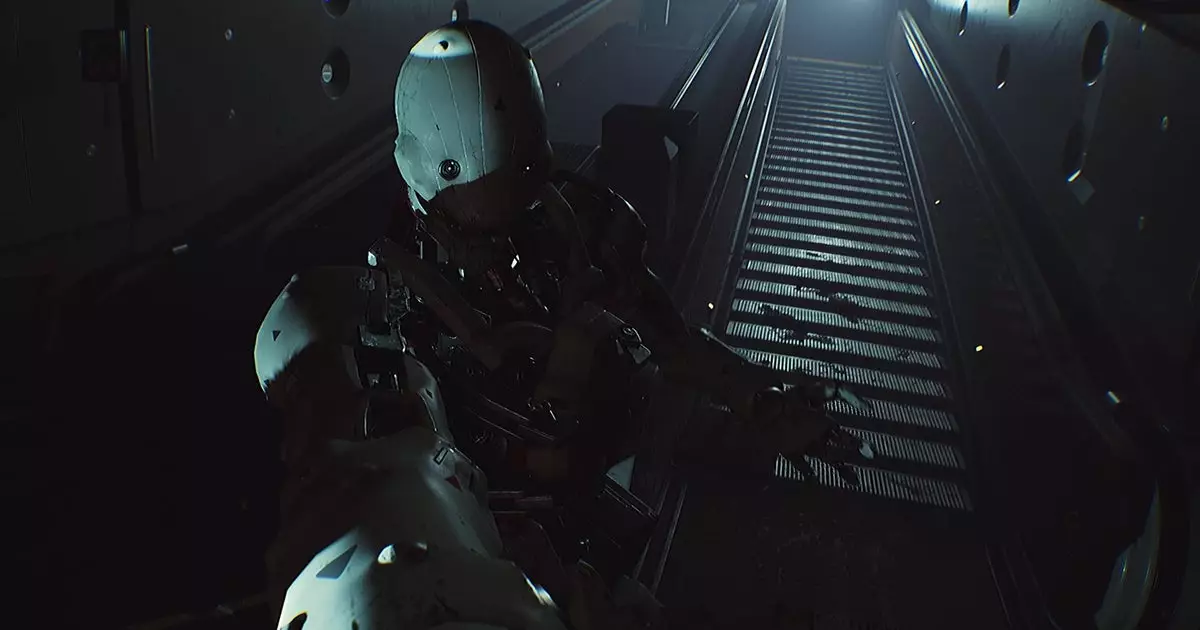
It is undeniable that Routine embodies the quintessential indie dream: a project conceived in the fervor of youthful imagination and sustained through nearly a decade of perseverance. While many may see endless delays and cautious updates as signs of instability or indecision, I see a relentless pursuit of creative integrity. Rarely do we witness such unwavering dedication in an era riddled with fleeting trends and shallow pursuits. Routine’s prolonged gestation reveals a refusal to capitulate to commercial pressures, emphasizing instead the importance of craftsmanship and atmospheric storytelling. This resilience is not just admirable—it’s essential for fostering truly immersive experiences that challenge the conventions of horror gaming.
Solo Spirit Amidst Industry Giants
The game’s core team comprises just three individuals, a feat in an industry dominated by sprawling studios and star-studded releases. This tight-knit group exemplifies the indie spirit, proving that ambition and artistry need not be constrained by company size. With limited personnel, Lunar Software has faced countless hurdles—technical limitations, resource scarcity, and the pressure to deliver a polished product. Yet, this small team continues to battle against the odds, fueled by a clear vision of recreating a convincingly eerie lunar colony with retro-futuristic aesthetics and a haunting atmosphere. Such commitment elevates Routine from mere project to a labor of love, a symbol that passion can sometimes compensate for budgetary and manpower constraints.
The Nostalgia Dilemma and Cultural Echoes
Routine’s deliberate throwback to 80s sci-fi horror is more than nostalgic window dressing; it’s a statement of cultural resonance. The inclusion of a Macintosh-like scanner and a sprawling lunar base filled with arcade games and malls evoke a bygone era of optimism and technological wonder—twined with fears of dehumanization and dystopia. This deliberate stylistic choice beckons players into a universe that feels both familiar and unsettling, reminding us that the ghosts of the past continually inform our present fears. Yet, there is a risk inherent in leaning heavily on nostalgia; it can sometimes overshadow innovative storytelling or gameplay. For Routine, however, it seems more a conduit for atmosphere than a crutch, meticulously crafted to evoke a sense of uncanny unease rooted in retro-futurism.
Development Without Frills: An Honest Journey
The recent updates from Lunar Software are refreshingly transparent. Instead of hyped promises and empty deadlines, they offer a candid window into their ongoing struggles and milestones. This honesty—admitting departure of a key composer due to scheduling conflicts while committing to maintaining the game’s integrity—brings a refreshing realism to the often overly polished veneer of game development. It is clear that Routine’s developers prioritize quality over expediency, choosing to delay rather than compromise. This stance may frustrate eager fans craving immediate release, but it ultimately fosters respect, as it signals a commitment to delivering a product that live up to its ambitions.
The Long Road: Lessons from the Past and Hopes for the Future
The game’s history is a testament to the challenges faced by independent developers working on passion projects. Having announced the game in 2012 and revisited it at Summer Game Fest in 2022, Lunar Software’s journey underscores the complexities of creating atmospheric horror within the constraints of limited resources. Yet, amidst comparisons with recent disappointments like Fort Solis and The Callisto Protocol, Routine stands apart because it is driven not by fleeting hype but by a deep-rooted desire to craft an experience that resonates long after the credits roll. While there’s a palpable weariness that accompanies such protracted development, the hope remains that this endurance is rooted in craftsmanship and artistic integrity.
Ultimately, Routine symbolizes more than just a horror game—it’s a testament to the undying hope of independent creators who refuse to give up, even when the world around them shifts too rapidly to notice. The journey may be long, but if the game remains true to its vision, the reward for patience could be extraordinary.
Leave a Reply