
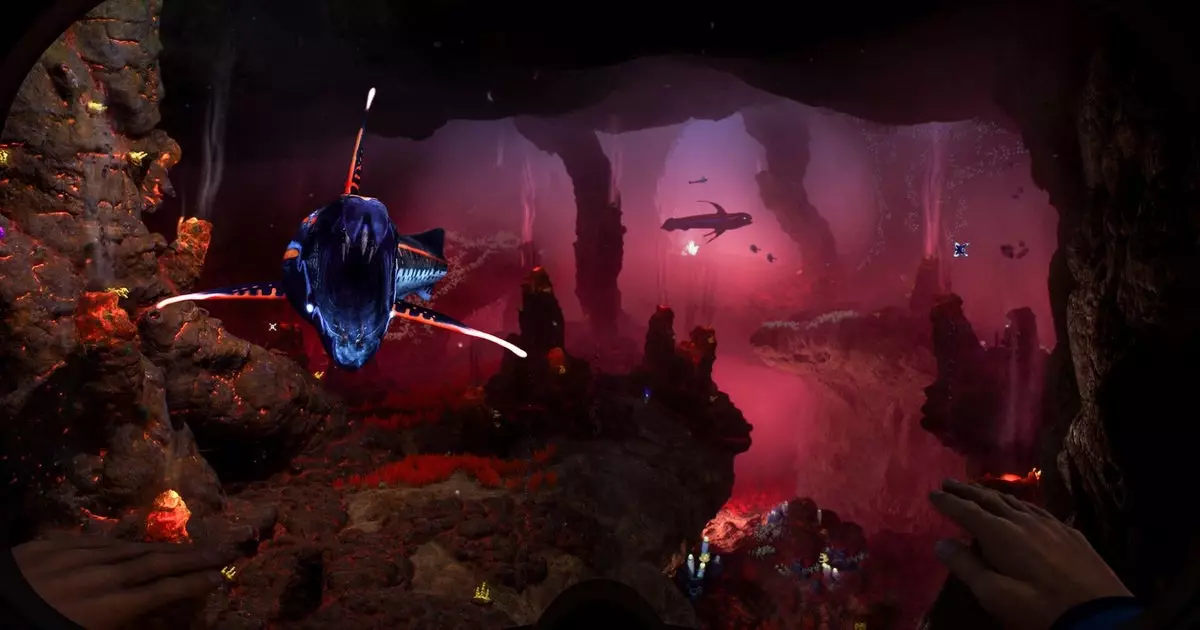
The postponement of Subnautica 2 into 2026 marks more than just a typical development hiccup; it underscores the murky intersection of corporate strategy, employee incentives, and creative independence. Originally earmarked for release, the delay reveals itself as a calculated maneuver by Krafton, the publisher, aimed at preserving financial interests at the expense of studio stability and creative momentum. The revelation, courtesy of Bloomberg, paints a picture of corporate intrigue that jeopardizes the momentum of a beloved franchise, while unveiling internal conflicts that have been simmering beneath the surface.
The core issue seems to be a breach of trust and perhaps a conflict of visions between Krafton and Unknown Worlds, the studio behind Subnautica. After years of development, executives at the studio believed the game was ready for an early access launch—an assertion backed by internal statements. Yet the publisher’s insistence on delaying the game hints at an underlying motive more insidious than mere quality control. The delay, linked to the avoidance of a $250 million employee bonus, suggests that financial considerations are now dictating the fate of the game’s release schedule. This clash highlights a fundamental challenge in modern game development: balancing financial incentives with creative autonomy.
Furthermore, the upheaval at Unknown Worlds—culminating in the ousting of senior leadership and the installation of Krafton’s preferred CEO—demonstrates the power imbalance at play. Long-standing creators like co-founder Charlie Cleveland found themselves secondary to corporate priorities, which evidently cast doubt on the studio’s original vision. Cleveland’s candid expression of feeling blindsided and disempowered illustrates the human toll behind corporate machinations. It underscores a broader pattern in the industry: the marginalization of creative voices in favor of shareholder interests, often at the expense of quality and morale.
Power Dynamics and Corporate Strategy
The leadership shuffle at Unknown Worlds reveals more than a clash over development timelines—it signals a strategic shift by Krafton to tighten control over the studio’s direction. Replacing founders with Krafton-approved executives, like Steve Papoutsis, hints at an effort to steer the project according to corporate interests rather than creative vision. This move might also serve as a lesson in corporate resilience—balancing shareholder expectations with the creative integrity that once defined the studio.
— The statements from Krafton and Unknown Worlds provide a window into conflicting narratives. While Krafton frames the delay as a simple matter of “giving ourselves a little extra time,” insiders and former leaders paint a picture of strategic delay, likely aimed at avoiding bonus payouts and consolidating control. The mention of an “aligned” schedule rather than genuine agreement indicates the decoupling of developer enthusiasm from corporate necessity.
This situation exposes a prevalent issue in high-stakes entertainment industries: companies will often prioritize short-term financial gains over long-term creative trust. The withholding of the game’s release, despite its readiness, undermines the studio’s momentum and could erode fan trust—especially when the game currently ranks as one of the most anticipated titles on Steam.
Additionally, the timing of Krafton’s record profits raises eyebrows. Achieving over half a billion dollars in sales and granting hefty bonuses to executives sends a clear signal—financial motivations now overshadow artistic pursuits. By delaying a game with a passionate fanbase and a strong wishlist ranking, Krafton appears to be prioritizing fiscal safeguards over community goodwill.
Implications for the Industry and the Future of Gaming
The Subnautica 2 delay exemplifies a broader trend in contemporary game publishing: the commodification of creative projects and a shift towards shareholder-centric decision-making. When major investors and publishers wield disproportionate power, the result can be a disconnect between visionary development and corporate profits. The experience of Unknown Worlds serves as a cautionary tale, demonstrating that such power struggles can have long-term repercussions—not only for developer morale but also for fan loyalty.
Moreover, the controversy raises critical questions about transparency and ethics in gaming production. Fans deserve honesty about delays, and studios should be able to maintain their creative independence without fear of corporate retribution. The fact that internal dissent and leadership upheavals have occurred underlines the vulnerability of creative studios operating under large publishers’ shadow. As long as financial incentives continue to influence creative schedules, the industry risks compromising on the very artistry that drew audiences in the first place.
The delay also underscores the importance of strategic communication. While publishers might prefer to conceal underlying motives, transparent dialogue about delays—whether for quality, market strategy, or financial reasons—can foster trust. When delays are perceived as manipulative or purely profit-driven, they only feed skepticism and disenchantment among fans and employees alike.
Finally, the ongoing saga of Subnautica 2 highlights that the industry is at a crossroads. Developers and publishers alike must recognize that long-term success hinges on trust, community engagement, and genuine creative freedom. If the industry continues to prioritize profits over passion, it risks alienating those who have helped define it. Conversely, embracing transparency and respecting the artistic process may pave the way for a more sustainable and innovative future.
Leave a Reply