
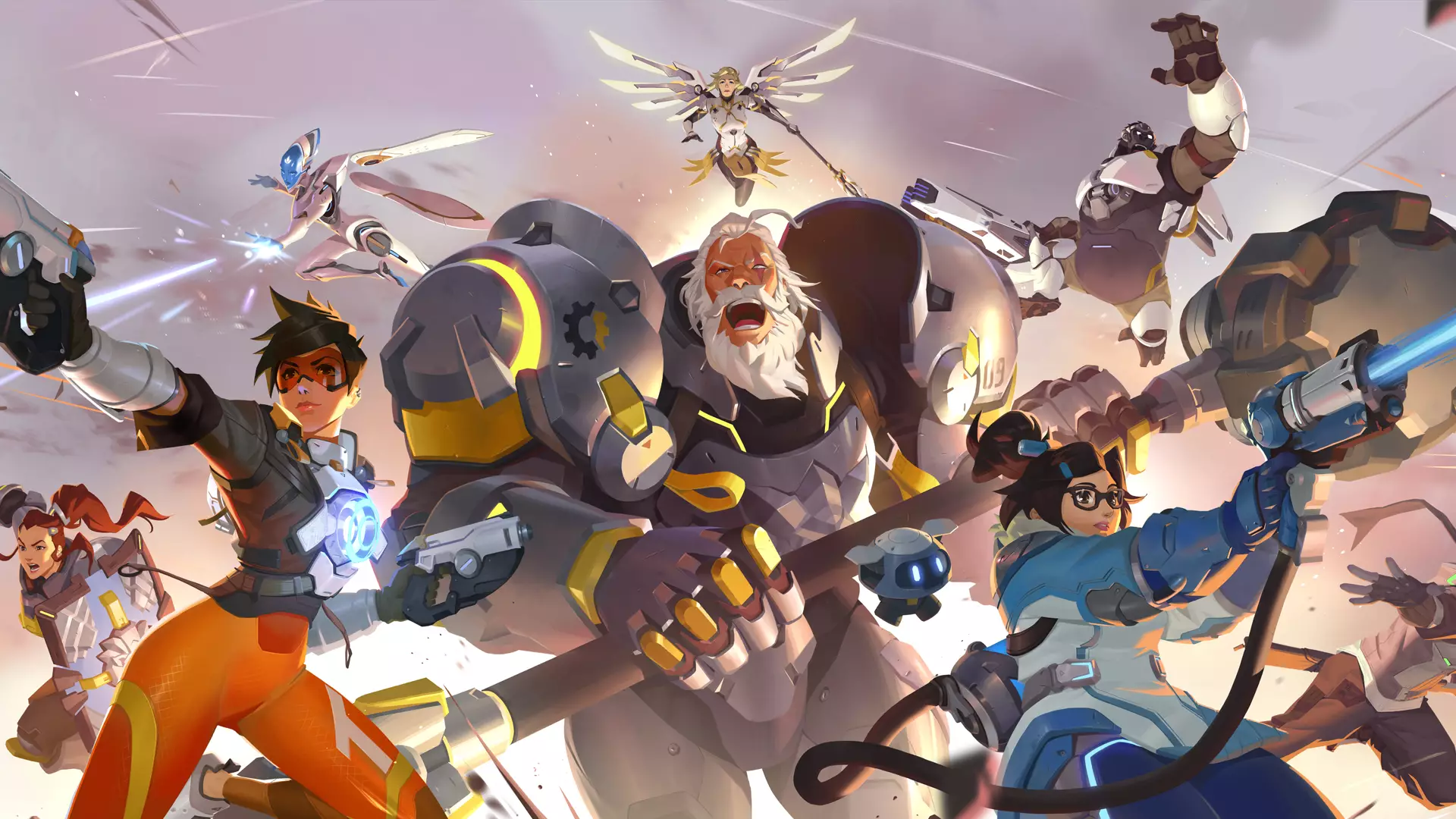
For years, Overwatch set itself apart with more than just its dynamic gameplay; it captivated players through its rich lore and compelling universe. Blizzard’s animated shorts became not just promotional tools, but cultural touchstones that deepened the connection between fans and the game’s vibrant cast of heroes. These shorts functioned as visual storytelling masterpieces, blending Pixar-like quality with engaging narratives that expanded the game’s universe beyond the confines of gameplay. Yet, in recent times, this storytelling engine has fallen silent, leaving a noticeable void in the franchise’s narrative landscape.
This decline in animated content could be seen as a symptom of broader issues within Blizzard’s development approach for Overwatch. The departure from consistent storytelling through shorts correlates with the shift in focus towards gameplay mechanics and live-service features in Overwatch 2. While these elements undoubtedly promote player engagement, they risk overshadowing the emotional and lore-driven aspects that originally gave Overwatch its enduring appeal. By neglecting these storytelling avenues, Blizzard risks alienating a core segment of its audience—those who crave a deeper understanding of the characters and their intertwined stories.
The Missed Opportunity of Overwatch 2’s Narrative Ambitions
Blizzard’s bold promise of a comprehensive co-op campaign in Overwatch 2 was crafted to push the franchise’s storytelling into new dimensions. The idea was to craft a narrative experience that would rival blockbuster games and add meaningful context to the characters players had come to love. Unfortunately, this ambitious project proved to be a casualty of unforeseen development challenges. Internal obstacles resulted in the campaign’s cancellation, leaving fans disappointed and the game’s story sense incomplete.
This setback underscores a difficult truth: ambitions in storytelling often clash with real-world development limitations. When Blizzard announced Overwatch 2, many fans expected a maturation of the narrative elements, with animated shorts and in-game lore filling the gaps. Instead, the franchise’s storytelling momentum slowed significantly. The absence of new animated shorts leaves many question marks in the air, undermining the sense of a living, breathing universe that Blizzard once championed. Without these narrative supplements, Overwatch risks becoming a purely competitive arena without emotional stakes or backstory richness.
The Case for a Narrative Resurgence: Short Films and Beyond
There is a mounting desire among fans and industry observers to see Blizzard rekindle its storytelling flame through animated shorts. These shorts weren’t merely promotional before; they were vital storytelling devices that built a community’s collective mythology. Their absence suggests a missed opportunity to deepen engagement and foster loyalty with a franchise that deeply benefits from high-quality, cinematic storytelling.
In addition to shorts, the potential for a live-action or animated TV series remains an intriguing prospect. Given Blizzard’s history and the cinematic quality of its introductions, a well-produced series could serve as a catalyst for a resurgence in interest. Such a series could explore the origins of heroes, delve into conflicts, and expand the lore in ways that gameplay alone cannot accomplish. With the entertainment industry’s increasing focus on transmedia storytelling, Overwatch’s universe is ripe for expansion outside gaming—an opportunity that Blizzard seems eager to pursue, evidenced by past attempts and ongoing discussions.
Looking Forward: The Power of Narrative in Restoring Overwatch’s Glory
Blizzard’s acknowledgment of the storytelling gaps signals a willingness to revisit and revitalize Overwatch’s narrative heritage. Reinstituting animated shorts could serve as a powerful tool to reconnect the community with the game’s characters, reinvigorate interest, and re-establish Overwatch as a universe defined by more than just gameplay. This isn’t merely about nostalgia; narrative content drives emotional investment, which in turn sustains long-term engagement.
The ongoing hope is that, by emphasizing storytelling, Blizzard can remind players why they fell in love with Overwatch in the first place. Done correctly, these shorts and potential new media projects could serve as a bridge, linking the past’s storytelling brilliance with the future’s ambitions. The franchise’s immense potential lies not solely in its mechanics, but in its ability to craft compelling, immersive stories that resonate deeply with a global audience.
Ultimately, if Blizzard can harness the power of storytelling—through animated shorts, series, or other mediums—it could transform Overwatch from a popular competitive shooter into an enduring universe that continues to inspire, entertain, and engage fans for years to come.
Leave a Reply