
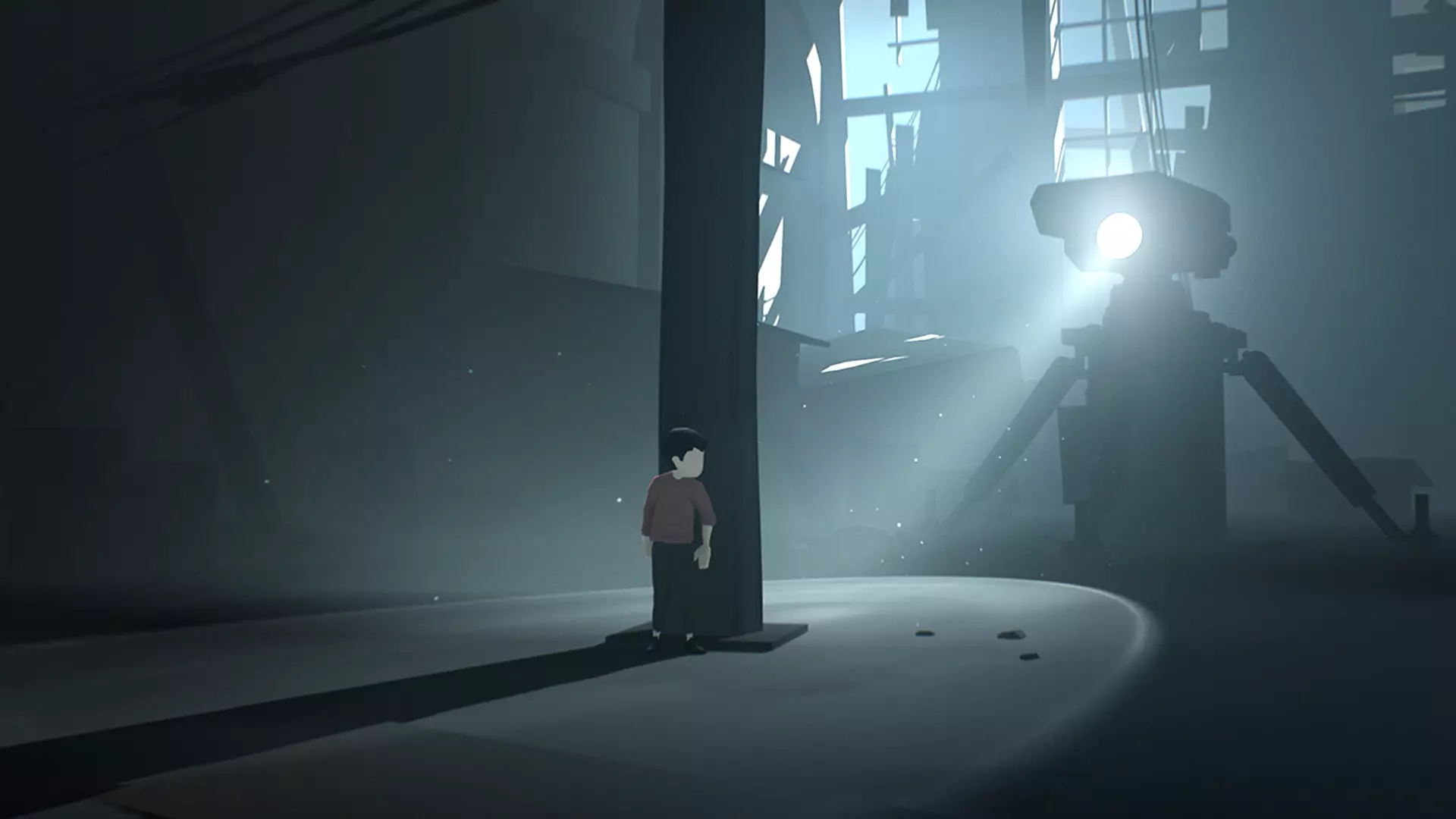
The gaming industry often appears as a world of innovation and shared passion, but beneath the surface lies a fragile web of personal relationships and professional ambitions. When the bond between co-founders fractures, the repercussions can ripple outward, impacting not only their direct collaborations but also their audience and legacy. The recent removal of Playdead’s acclaimed titles “Limbo” and “Inside” from GOG exemplifies how personal disputes can destabilize the very content that inspired millions.
This situation serves as a stark reminder that behind polished game titles are human stories—stories that can turn contentious with rivalry, miscommunication, or legal battles. The fallout is rarely confined to the immediate parties involved; it often spills into the distribution channels, tarnishing the reach and availability of culturally significant works. The fact that these influential puzzle platformers are being wiped from a major storefront demonstrates how personal conflicts can threaten the cultural footprint of groundbreaking creative achievements.
Driven by Ego or Business? The Root of Legal Battles
The origins of this dispute appear not merely as a typical business disagreement but as a clash rooted in personal history and recognition. The public confrontation between Playdead’s co-founders—Dino Patti and Arnt Jenson—has revealed underlying tensions over contributions and ownership. Patti’s decision to leave the company and start his own project, coupled with allegations of threats and legal threats, indicates a deeper struggle for legacy and acknowledgment.
This kind of infighting often emerges when ego and ambition intersect with creative pride. When former collaborators seek to rewrite history or erase contributions, it tarnishes the integrity of the creative process itself. The legal threats and lawsuits are more than just legal maneuvers; they are symbolic of a fragile ego threatened by the recognition of others. As a consequence, the distribution and preservation of their creations are compromised, depriving fans and new audiences of vital cultural works.
The Industry’s Double-Edged Sword: Creativity Versus Conflict
The gaming universe is remarkably dynamic, yet it can also be unforgiving. Success stories are often overshadowed by internal disputes that turn public and adversely affect the community. The removal of these titles forces us to question how much value we place on the creators’ personal identities versus their artistic achievements.
From a broader perspective, the industry’s handling of such conflicts often reveals a concerning tendency to prioritize legal defenses over cultural preservation. The fact that GOG has announced the games will be delisted underscores an industry-wide neglect of the long-term cultural importance of creative works when disputes escalate. Instead of finding ways to preserve legacy, the focus shifts to legal defensiveness, undermining the collective cultural memory that these titles embody.
Failing to navigate disputes constructively risks turning iconic works into casualties of ego-driven conflicts. It is vital for the industry to recognize that creative disagreements and legal disputes, while sometimes inevitable, should not come at the cost of cultural loss. The story of Playdead’s titles warns us that personal conflicts have far-reaching impacts, extending beyond the immediate stakeholders to the fans and the cultural landscape at large.
Leave a Reply