
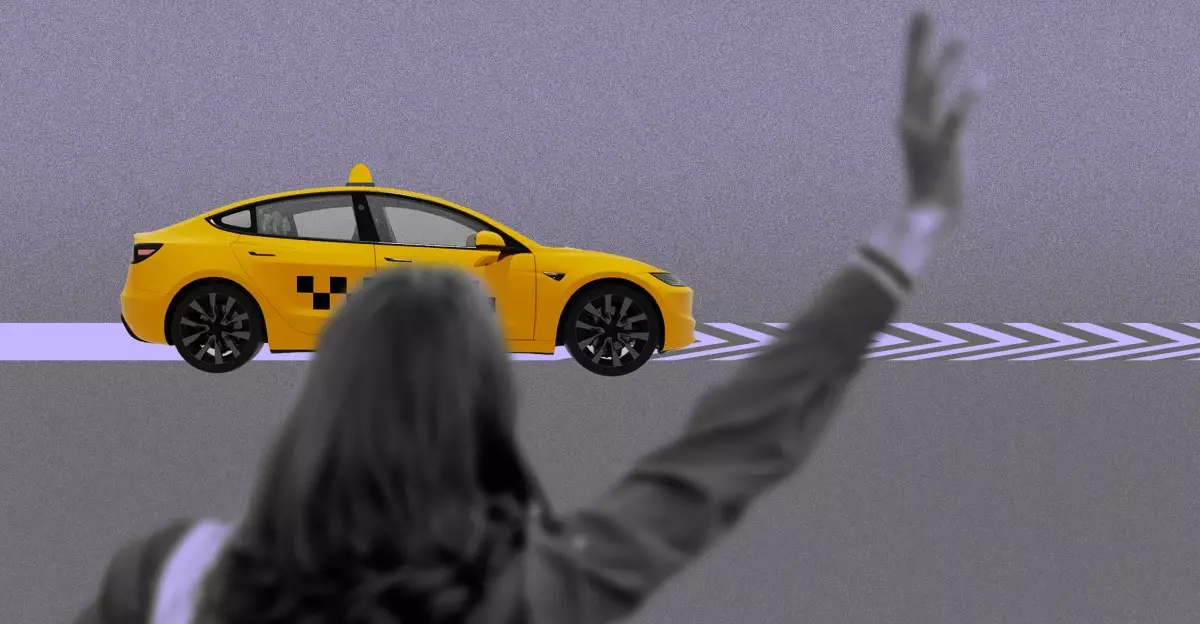
Tesla has long cultivated an almost religious following, transforming a once-innovative electric car brand into a fervent community of fans eager to defend and promote the company’s every move. In recent developments, this loyalty has matured into a tightly controlled echo chamber that blurs the lines between genuine innovation and orchestrated propaganda. The recent robotaxi rollout in Austin epitomizes this shift—a spectacle more of influencers and superfans shaping perceptions than a transparent demonstration of technological prowess. When independent journalists were barred from the event and ridiculed for asking basic questions, it became glaringly evident that Tesla’s leadership prefers an environment where the narrative is tightly curated, curated by those loyal to Elon Musk’s vision.
This ecosystem incentivizes participation not simply through passion but via tangible rewards—referral codes, exclusive event access, and a community that often ostracizes dissent. The symbiotic relationship between Tesla and its online advocates nurtures a form of digital fandom that is less about technological validation and more about safeguarding the mythos Musk has meticulously sculpted. When these supporters declare that “we are the media now,” it signals a strategic pivot: control of the narrative is more valuable than transparency or honest critique. This powerful shift shifts responsibility away from traditional journalism, replacing it with self-styled influencers who, intentionally or not, become modern-day mouthpieces for corporate spin.
In such an environment, the authentic assessment of Tesla’s technological achievements becomes increasingly difficult. Instead of an open dialogue on the true capabilities and limitations of the robotaxi technology, the conversation is framed by curated videos, cheerleading comments, and dismissive attitudes toward skeptical outsiders. The new “media”—a constellation of influencers—effectively functions as a human PR extension, designed to drown out critical voices and paint a picture of seamless progress that may not entirely reflect reality.
The Strategic Suppression of Critical Perspectives
Fundamentally, Tesla’s exclusion of critical journalists and the mocking of those who seek transparency is a calculated effort to keep the public perception skewed. When reporters and tech analysts attempt to explore the true state of the robotaxi project, they are met with hostility and evasion rather than honest disclosure. Such tactics serve a dual purpose: safeguarding Musk’s ambitious vision and preventing any scrutiny that might undermine investor confidence or public trust. This strategy isn’t new—Tesla’s antagonism toward mainstream media has deep roots, with the company deliberately sidelining traditional press in favor of self-led narratives that favor the brand.
What’s particularly troubling is how this insular approach distorts the developmental narrative. When promotional coverage is dominated by influencers who are invested in the company’s success rather than its truthfulness, the result is a spectacle that resembles a beta test—unfinished, unverified, and surrounded by hype rather than substance. The influence of such curated narratives extends beyond social media; it seeps into corners of Reddit and YouTube communities, where supposedly independent platforms become battlegrounds for propaganda dressed as authentic experience.
Expert voices, like Joan Donovan of Boston University, have identified this phenomenon as classic “corporate propaganda,” wherein the organization actively constructs an internal ecosystem designed to recuperate reputation while masking flaws. Likewise, critics such as Ed Niedermeyer highlight how Tesla’s influencers serve as a collective “Greek chorus,” echoing Musk’s narratives and shaping public perception in ways that benefit the company’s market position. It’s a strategic, if ethically questionable, attempt at narrative control that prioritizes perception over reality, risking long-term transparency and trust.
The Illusion of Innovation and the Cost of the Echo Chamber
For years, Tesla’s reputation as an innovator was rooted in its bold claims and disruptive approach. But recent years have cast shadows over this image. Campaigns that once promised groundbreaking autonomy now reveal incremental progress and technical setbacks, leading to skepticism among industry observers. The recent robotaxi event, with its closed-door access and influencer-led coverage, exemplifies the growing disparity between perception and reality—what can be called a spectacle of manufactured progress rather than organic technological breakthrough.
Influencers and loyalists are acutely aware that their influence depends on maintaining this illusion. Rewards like referral bonuses or exclusive events reinforce a culture where dissent and criticism are not just unwelcome—they are actively suppressed. The problem with this insular system is that it’s unsustainable. As Elon Musk’s grand vision hinges on millions of autonomous vehicles reliably navigating city streets, the necessity of genuine validation and open critique will become unavoidable. Until then, Tesla’s strategy of cultivating an echo chamber might temporarily sustain enthusiasm but risks long-term credibility if the actual product continues to fall short.
This dynamic also reveals a fundamental tension within Tesla’s growth narrative: the desire to appear as a relentless innovator versus the reality of an ongoing, often imperfect technological development process. The more the company shrouds its work behind closed doors and manicured narratives, the more vulnerable it becomes to skepticism and exposure. In the end, the illusion of revolutionary progress might serve short-term promotional goals but could undermine the trust necessary for widespread adoption of autonomous vehicles—vehicles that must, by nature, operate transparently and reliably.
The future of Tesla and its autonomous ambitions depends on whether the company can reconcile its allure of disruptive innovation with the necessity of openness and accountability. If the current closed-off, influencer-driven spectacle persists, it risks turning into a cautionary tale of a tech giant more invested in its myth than its mission.
Leave a Reply