
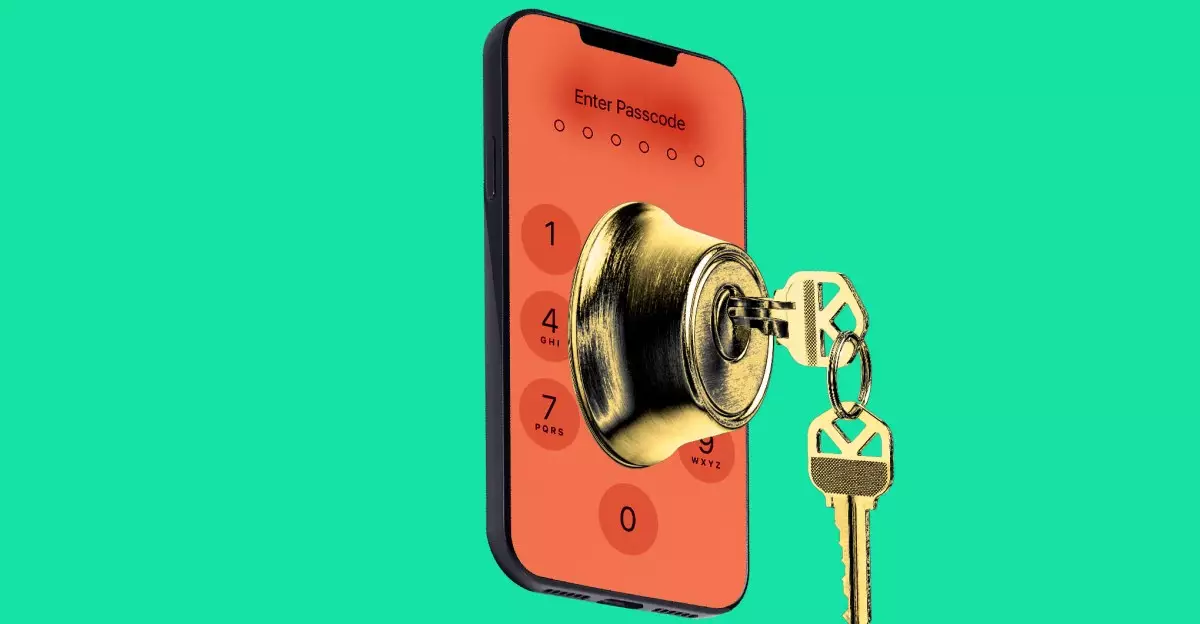
In an era where digital threats evolve at a terrifying pace, mobile security must evolve just as swiftly. AT&T’s recent introduction of the Account Lock feature exemplifies a bold shift toward proactive protection, prioritizing user control and security over complacent trust. Unlike traditional methods that leave users vulnerable to sophisticated attacks like SIM swapping, this innovation puts the power firmly in the hands of consumers. It’s a strategic move that sends a clear message: your account security is non-negotiable, and service providers are now taking definitive steps to safeguard personal data.
Addressing the Menace of SIM Swapping
SIM swapping has increasingly become a lucrative attack vector for cybercriminals, exploiting vulnerabilities in carrier systems to hijack accounts and intercept sensitive communications. These attacks can lead to devastating consequences — from stolen funds to identity theft. AT&T’s new feature directly confronts this menace by locking down critical account functions, such as phone number transfers and billing information changes. This isn’t merely a minor update; it’s a comprehensive shield designed to frustrate attackers and protect consumers from the trauma of account takeovers.
Empowering Users with Flexibility and Control
What makes AT&T’s approach particularly compelling is the user-centric design. Customers can toggle the Account Lock feature on or off through the intuitive myAT&T app, providing flexibility suited to their unique security needs. Whether a user suspects unusual activity or simply wishes peace of mind, this control mechanism is both accessible and transparent. The real-time notifications — emails to primary account owners and texts to all active numbers — further enhance accountability and enable immediate responses to any suspicious activity. It transforms security from a reactive process into an active, user-driven safeguard.
Rethinking Industry Standards
AT&T’s step isn’t happening in isolation; it signals a broader industry acknowledgment that traditional security protocols are no longer sufficient. Major competitors like T-Mobile, Verizon, and Google Fi already employ similar safeguards, signaling a collective move toward more robust defenses. But what differentiates AT&T’s effort is its emphasis on user agency and the ease of implementation. By simplifying the process and ensuring notifications are robust, AT&T not only raises the security bar but encourages other carriers to follow suit, fostering an industry-wide culture shift.
Beyond Technical Measures: Restoring Consumer Confidence
In today’s climate, trust is a fragile commodity in the telecom space. Consumers demand not just reliable connectivity but unwavering security. AT&T’s Account Lock feature isn’t just a technical addition — it’s a strategic tool to rebuild faith. By directly involving consumers in their security framework and visibly prioritizing their control over sensitive account functions, AT&T positions itself as a leader in responsible corporate citizenship. This move could redefine customer expectations, transforming security from an afterthought into a core service element.
In reflecting critically, while AT&T’s initiative marks a definitive step forward, the effectiveness of such features ultimately hinges on widespread awareness and user engagement. Simply providing the option isn’t enough; the real challenge lies in ensuring customers understand its value and actively utilize it. Moreover, as cyber threats continue to morph, the security measures must evolve in tandem. Nevertheless, this move signifies a promising trend — one where empowered consumers, armed with cutting-edge safeguards, can confidently navigate their digital lives without fear of malicious interference.
Leave a Reply