
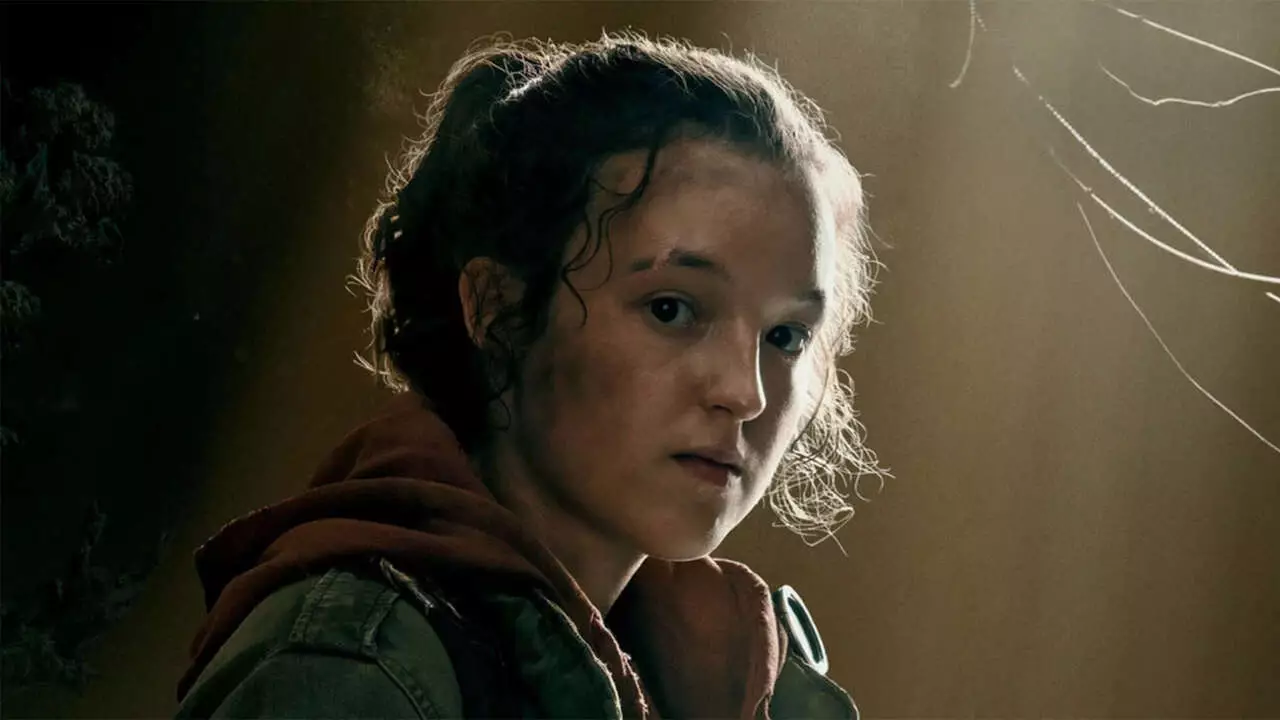
The blockbuster success of HBO’s adaptation of *The Last of Us* has firmly established the series as a cultural phenomenon. However, the recent announcement of Neil Druckmann’s exit as co-showrunner sends a clear message that the show is entering a new phase—one filled with both uncertainty and opportunity. Druckmann, who co-created the original video game and has been instrumental in shaping the television adaptation, has decided to prioritize his responsibilities at Naughty Dog, focusing on upcoming projects like *Intergalactic: The Heretic Prophet*. This decision underscores the often-overlooked reality that even the most triumphant adaptations are vulnerable to behind-the-scenes shifts that can significantly influence their trajectory.
Druckmann’s role in the adaptation process cannot be understated. His deep understanding of the game’s narrative, characters, and emotional beats provided the foundation for the series’ authenticity. His departure risks diluting the original creative vision, raising questions about how HBO and the remaining team will manage the narrative’s future. While his exit might signify a natural progression—allowing different creative voices to lead—it also highlights the fragility of artistic continuity when key architects step away.
The Challenge of Maintaining Consistency and Quality
Transitioning leadership within a high-profile adaptation is fraught with challenges. The first concern is whether the show will maintain its narrative integrity and emotional resonance. Druckmann’s influence ensured that the adaptation stayed true to the source material, blending gameplay storytelling with powerful visual storytelling on screen. As he steps back, there’s a risk of losing that cohesive voice, potentially leading to tonal inconsistencies or narrative discrepancies.
Mazin’s statement suggests confidence in the remaining team’s ability to uphold the series’ quality. Yet, true fans know that the unique synergy between Druckmann’s vision and the production team’s execution was pivotal. Moving forward, HBO will need to carefully navigate this change, balancing artistic innovation with maintaining the emotional depth that has resonated with millions.
Another aspect to consider is the shift in narrative perspective for Season 3—from Ellie to Abby. This pivot is ambitious and daring, aiming to deepen storytelling complexity and moral ambiguity. However, without Druckmann’s guiding influence, the execution of such a nuanced storytelling approach may face hurdles. The risk is that the new leadership might lean toward a different storytelling style, which could alienate fans who cherish the original vision.
Implications of Leadership Change for Future Seasons
The decision not to immediately commit to more seasons beyond Season 3 signifies HBO’s cautious optimism. The plan to possibly conclude the adaptation after completing *The Last of Us Part II* indicates a desire to preserve narrative integrity rather than overstretch the franchise. This approach can be viewed as both prudent and respectful of the source material, but it also places immense pressure on the remaining creative team to deliver a fitting finale.
Druckmann’s reluctance to rule out a *Last of Us Part 3* suggests that he still envisions expanding the universe, albeit from outside the television narrative. His focus on the next game highlights a broader industry trend—cross-media storytelling—where video games and scripted series intertwine but remain distinct creative pursuits. This separation between his future projects and HBO’s adaptation underscores a potential divergence in tone and vision, which could impact the franchise’s coherence if not carefully managed.
Furthermore, Druckmann’s departure prompts stakeholders to question the future of the franchise as a whole. Will the series continue to resonate without his guiding hand? Or will it fragment into different visions that might dilute the franchise’s core emotional essence? The upcoming seasons will serve as a test of whether the storytelling foundations laid by Druckmann and Mazin can withstand internal changes and still deliver compelling narratives.
Final Reflections: A Crossroads of Creativity
Neil Druckmann’s exit from *The Last of Us* series is more than a personnel change; it’s a reflection of the unpredictable nature of adapting beloved stories for new media. It signals a conscious shift in creative leadership—one that could redefine the series’ future. While some may see this as a risk, it also offers an opportunity for fresh voices to reinterpret and evolve the story. Whether these changes will enhance or undermine the series remains to be seen, but one thing is clear: the franchise stands at a pivotal juncture, where its legacy hinges on how well it navigates this transition. Adaptation success isn’t just about fidelity to the source but also about the daring to innovate while respecting its roots.
Leave a Reply