
In the realm of gaming PCs, there’s a common misconception that the fastest RAM is the ultimate performance booster. Many enthusiasts focus solely on clock speeds, vying for DDR5 modules pushing boundaries like DDR5-8000—sometimes at exorbitant prices. But what often goes unnoticed is that after a certain threshold, increasing clock speeds yields minimal gains, while optimizing latency can dramatically enhance real-world responsiveness. It’s time to shift our perspective: smarter RAM isn’t necessarily the fastest, but the one that balances speed with low latency for tangible performance improvements.
Fast RAM can indeed help reduce CPU wait times, smoothing out frame drops and maintaining higher minimum frame rates. Yet, the real magic happens when latency—the delay before the memory responds—is minimized. This is especially crucial for gaming, where microseconds count. A module operating at DDR5-6000 with low CAS latency outperforms a higher-clocked alternative with higher latency, providing that urgent sense of snappiness gamers crave. In essence, investing in RAM with optimized timings will give you better performance per dollar than chasing extreme frequencies that your system might struggle to utilize efficiently.
Value Over Virtuosity: The Power of Well-Designed Memory
The market is littered with flashy, expensive RAM modules boasting eye-catching RGB and large heatsinks that often inflate prices without delivering meaningful performance increments. Instead, savvy builders recognize that quality manufacturers like Klevv and TeamGroup offer exceptional modules at reasonable prices by focusing on core performance metrics. For instance, a 32GB DDR5-6000 kit with a CAS latency of 28 cycles may seem modest compared to the hype surrounding DDR5-8000 modules, but practically, it offers a better performance-to-cost ratio.
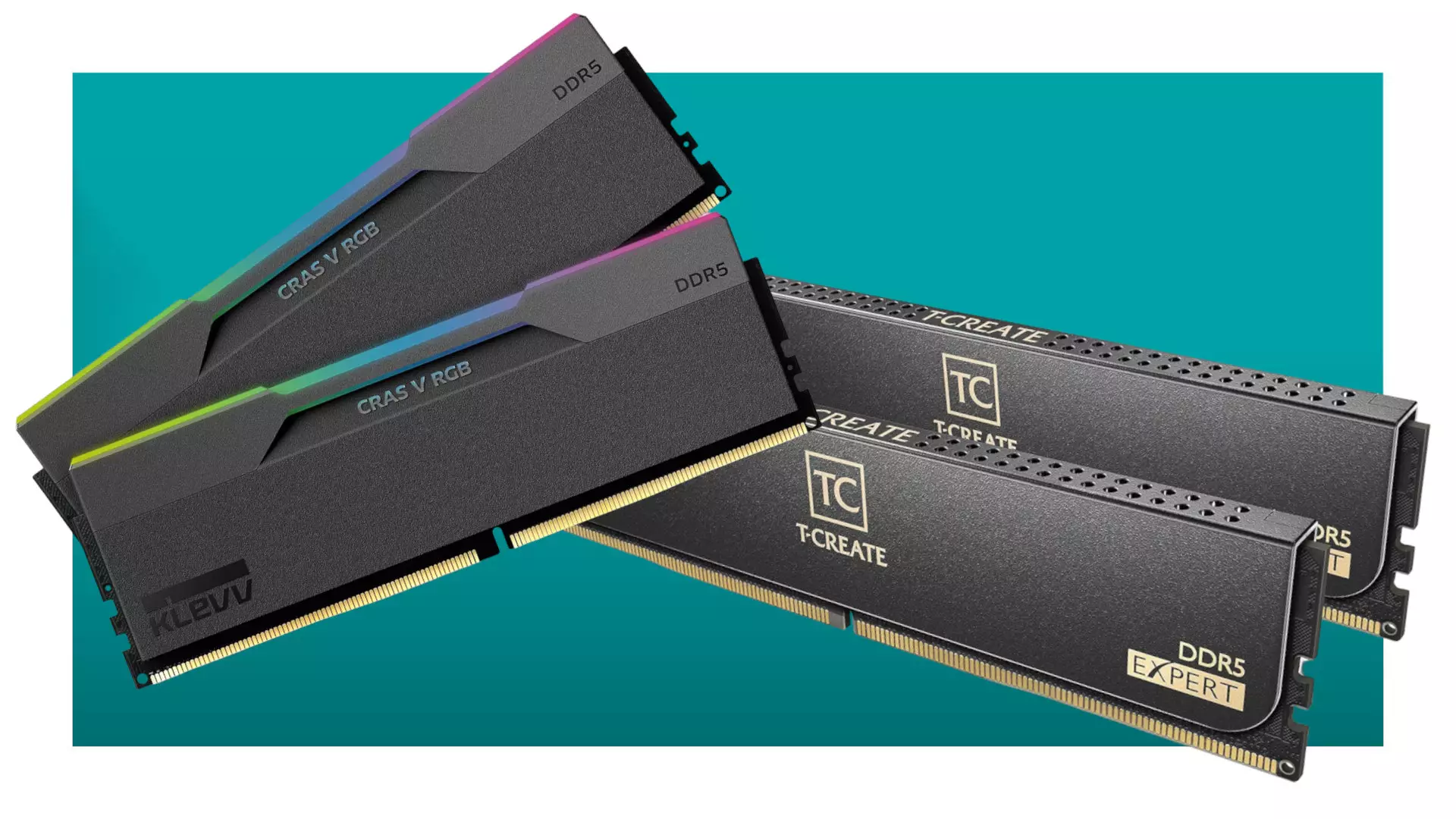
Klevv’s DDR5-6000 kit exemplifies this point. With its low CL28 latency, it offers a tangible difference in gameplay – smoother minimum fps and quicker responsiveness. Its sleek design, including low-profile heatsinks and RGB lighting, adds aesthetic value without breaking the bank. This combination of performance, style, and thermal management makes it a standout choice for gamers who want an edge without overspending. The market often equates higher frequencies with better performance, but in reality, smart timing adjustments and a good balance between speed and latency are what provide the real boost.
Similarly, TeamGroup offers a budget-friendly alternative with their DDR5-6000 CL30 kit. Priced around an astonishing $87, it undercuts many premium modules while still delivering reliable, stable performance across modern CPUs and motherboards. This underlines an essential principle: not all high-performance memory requires a steep investment. When you find modules that run reliably at these specifications, you unleash potential without sacrificing your budget or your build aesthetic.
The Strategic Choice for Every Gaming Build
Choosing the right RAM involves understanding not just theoretical specifications but how they translate into real-world benefits. For gamers, the focus should be on modules that offer low latency and stable performance at recommended speeds like DDR5-6000. These modules maximize responsiveness without the need for excessive overclocking or expensive premium kits. Moreover, reliability and thermal management should be included considerations—qualities manifest in well-designed heatsinks and proven component partnerships.
The broader implication of this approach is that a balanced memory configuration can extend the lifespan and upgradeability of your system. Investing in reliable, well-tuned RAM today ensures smoother gaming experiences, better multitasking, and room for future upgrades. As manufacturers continue to push higher frequencies, remember that often, it’s the thoughtfully crafted, low-latency modules that unlock meaningful performance improvements.
Discerning gamers and builders must prioritize smart, balanced choices over chasing after the latest buzzwords. The real power lies in optimizing latency and ensuring stability at practical speeds, providing a noticeable edge without overspending. When accompanied by good thermal design and aesthetic appeal, these modules become more than just memory—they become the backbone of a truly responsive, future-proof gaming rig.
Leave a Reply