
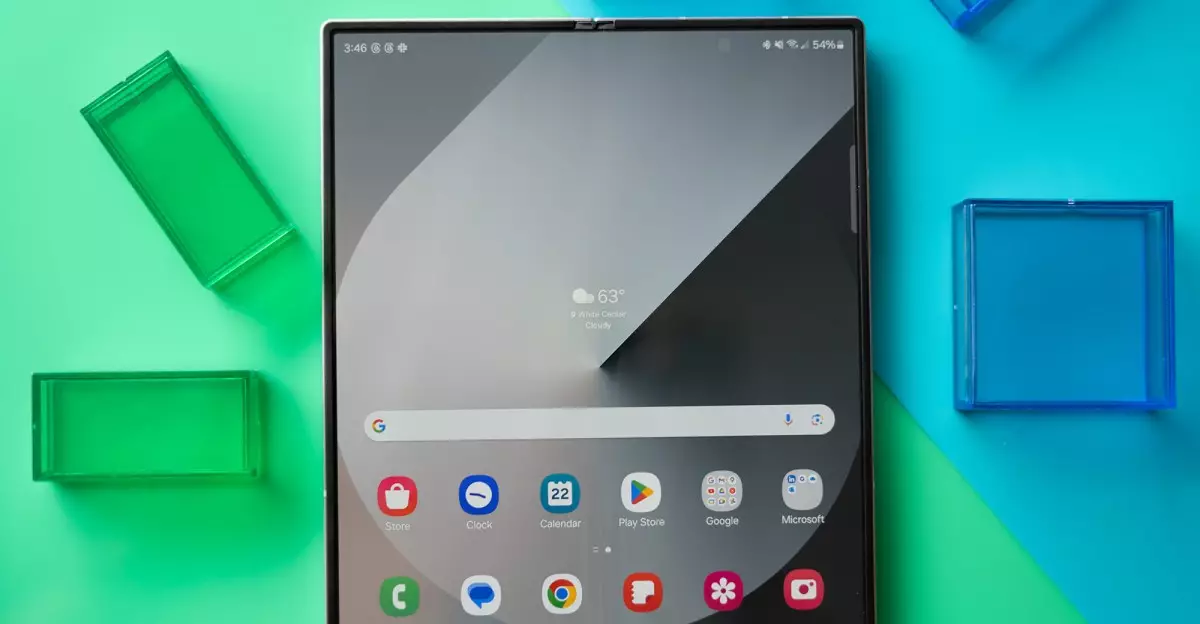
Despite a decade of efforts from Samsung and other tech giants, foldable smartphones remain an elusive mainstream phenomenon. Their allure—offering a blend of innovation and novelty—hasn’t translated into widespread consumer enthusiasm. This disconnect raises critical questions: Why are people curious but hesitant to buy, and what must be done for foldables to truly take off? The underlying issue lies in perception. Consumers often admire the futuristic promise but are let down by practical concerns like durability, cost, and usability. The foldables’ fragile nature and high prices make them feel like premium gadgets for early adopters rather than everyday essentials, hindering mass appeal.
Samsung’s relentless push into this market segment illustrates an ambition to redefine mobility. Yet, even with years of iteration, sales figures reveal that foldables constitute merely a sliver of the total smartphone market—roughly 1.5% as of 2024. This persistent limbo suggests that technological advancements alone won’t be enough; the industry needs a paradigm shift in how consumers view and value foldable devices.
Samsung’s Strategy: The Ultra and Beyond — A Play for Credibility
Samsung appears poised to elevate its foldable lineup with the upcoming release of an Ultra-branded foldable device. The Ultra moniker indicates a focus on premium features, potentially addressing lingering criticisms about durability, size, and design aesthetics. The anticipated thinner profile resembles recent efforts from competitors like Honor and Oppo, aiming to make foldables less bulky and more pocket-friendly. Such refinements are crucial because the heft and awkwardness of earlier models have been a barrier to adoption.
Furthermore, rumors suggest the Galaxy Z Flip 7 may feature a larger, Razr-style cover screen, transforming the user experience with more extensive front-panel interaction. Coupled with possible price reductions via an FE (Fan Edition) model that preserves the familiar cover screen, Samsung seems to be attempting to bridge the gap between innovation and affordability. These moves reflect an understanding that price sensitivity and user experience are fundamental to mainstream adoption.
However, these improvements, while promising, are incremental. They aim to resolve some previous tradeoffs but don’t fundamentally change the underlying issues—namely, fragility, repair costs, and perceived lack of durability. The promise of a thinner, more attractive foldable is a step forward, but without addressing the core durability concerns, it risks still being perceived as a fragile luxury rather than a rugged daily driver.
The Durability Dilemma and the Cost Conundrum
Durability remains the Achilles’ heel of foldable technology. Despite attempts to improve design and materials, foldables are still more vulnerable to dirt, dust, and accidental damage compared to traditional smartphones. Samsung has promised to push toward IP-rated, dust- and water-resistant foldables, but full IP68 certification—as seen with flagship slabs—has yet to be achieved. This gap in durability feeds hesitation among consumers who fear costly repairs or device failures—a problem when prices are climbing everywhere else.
Repair costs exacerbate this concern. When devices are more complex and have fragile hinges and flexible screens, repair bills skyrocket. For many potential buyers, the risk outweighs the novelty, especially when traditional flagship smartphones continue to offer nearly comparable performance at potentially lower long-term costs. This scenario underscores a fundamental truth: consumers aren’t just paying for cool features—they’re paying for longevity and peace of mind.
The Road Ahead: Can Market Strategies and Industry Rumors Tip the Scale?
While Samsung’s incremental innovations aim to entice fence-sitters, industry analysts are eyeing future entrants—most notably, Apple’s rumored foldable slated for 2026. If Apple enters the foldable domain, it could serve as a game-changer, broadening the market and legitimizing foldables as practical devices. An Apple foldable, coupled with Samsung’s aggressive refinement, could accelerate mainstream adoption by setting new durability standards and pushing prices downward.
In the broader context, introducing more models across various price tiers might be the key to expanding the foldable segment. Offering a range from high-end Ultra devices to more affordable options can cater to different consumer needs and budgets. Samsung’s past success in segmenting its lineup suggests that a diversified portfolio—perhaps including a foldable that resembles an ordinary smartphone—could finally push foldables into the mainstream.
But for this to truly work, Samsung must not only iterate on hardware but also reshape consumer perceptions of durability and value. Without addressing the fundamental aversion to fragile, costly devices, even the most innovative features risk remaining niche novelties.
The Impending Impact of Industry Moves and Consumer Expectations
The evolving landscape anticipates that the real breakthrough isn’t just about new models but how the industry addresses core consumer anxieties. If Samsung and rivals can develop foldables that boast IP ratings, longer-lasting hinges, and more affordable repair options, the stigma around fragility might gradually fade. Moreover, the industry’s focus on incremental improvements—think larger screens, thinner bodies, and price cuts—reflects a recognition that consumers crave practicality along with novelty.
The looming influence of Apple’s entry is particularly compelling. Should Apple deliver a well-designed, durable foldable, its market credibility could catalyze broader acceptance. This shift might not just benefit Apple but also drive Samsung to innovate faster, offering more compelling, resilient, and reasonably priced foldables. The competitive pressure could ultimately nudge the entire industry toward a future where foldable smartphones are no longer a premium rarità but an accessible, reliable staple.
The journey toward foldable dominance is complex and fraught with barriers, yet the potential payoffs are enormous. Achieving that perfect balance of durability, affordability, and innovative design could redefine our entire relationship with mobile devices, turning the foldable from a quirky gadget into a necessity of modern life.
Leave a Reply