
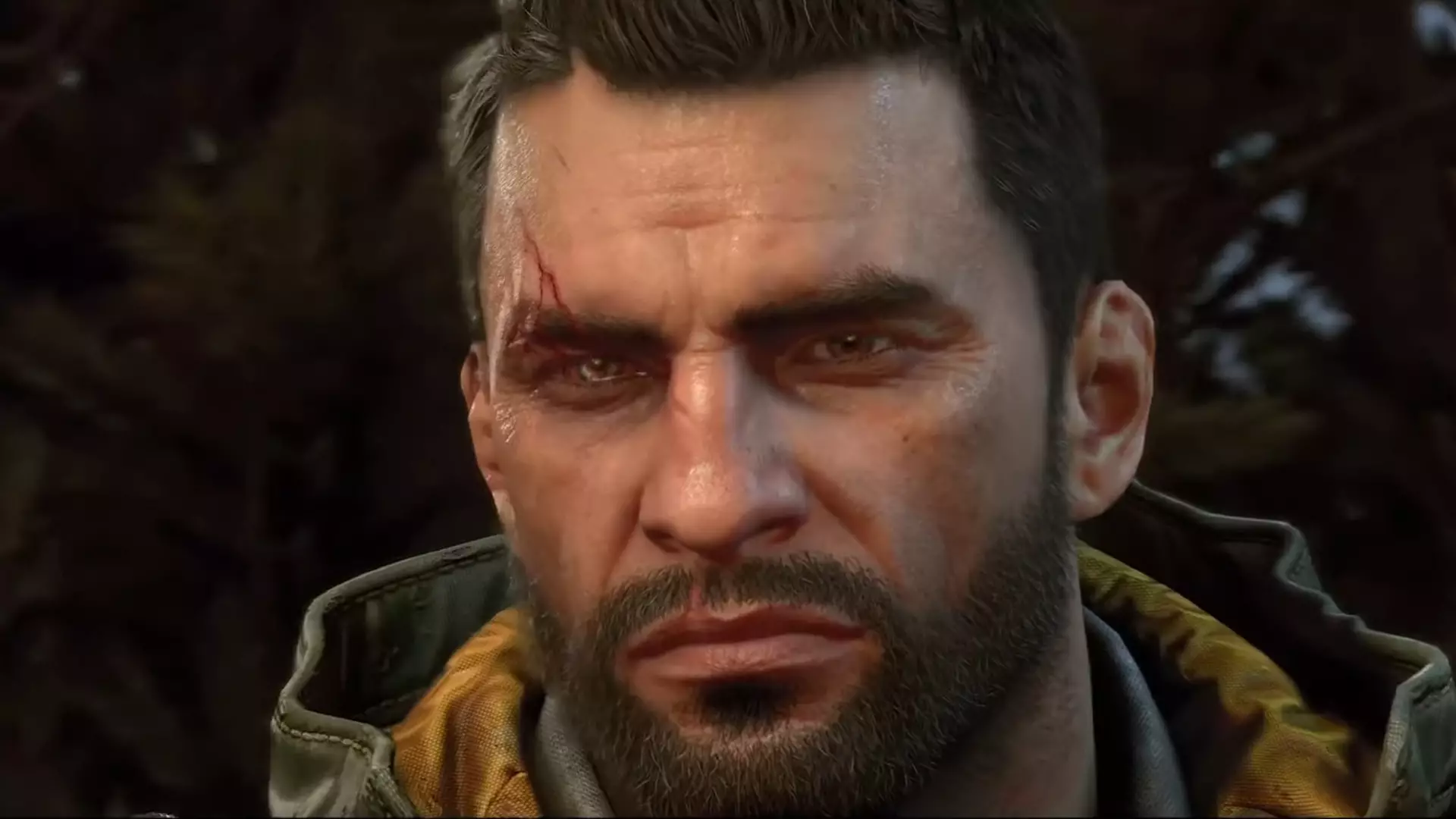
In the realm of open-world gaming, bigger is not necessarily better. The upcoming release, Dying Light: The Beast, exemplifies this notion, taking a bold step away from the trend of vast, sprawling maps in favor of a denser, more immersive environment. Techland’s franchise director, Tymon Smektala, underscores that the essence of an open-world game lies in the player’s emotional connection to the environment rather than its physical size. This philosophy challenges the common belief that a larger world equals a more captivating experience.
Games that follow a formulaic approach often rely on broad, empty spaces, filled only with scattered hubs of activity. These gaps between locations can leave players feeling disconnected, diminishing the thrill of exploration. In contrast, Dying Light: The Beast aims to keep players perpetually engaged, making each corner of the map bristle with potential interactions. Simplicity in scale can breed complexity in engagement, and Techland appears keenly aware of this subtle balance.
Density Over Scale: A Revolutionary Approach
As Smektala articulates, density stands as a hallmark feature of Dying Light games. Instead of sprawling landscapes with minimal content, players are enveloped in a world rich with threats, missions, and encounters. The constant presence of zombies adds an element of unpredictability and urgency to the game—the rhythm of action is never too far away. Such continuous engagement enhances the feeling of being alive in this zombie-infested universe, compelling players to stay alert and strategize.
Moreover, Techland’s commitment to crafting this more intimate world informs all layers of gameplay. The tactile nature of combat, combined with a responsive, immersive control scheme, invites players to engage on a deeper level. This tactile feedback isn’t merely a placeholder for action; it fosters a visceral connection with the game world. Each encounter with zombies feels weighty and significant, feeding into the narrative of survival that Dying Light is known for.
Learning from Past Experiences
As Dying Light: The Beast is poised to release, it stands on the shoulders of its predecessor, Dying Light 2. Smektala’s acknowledgment of the previous game’s missteps speaks volumes about Techland’s adaptive approach to game development. The gaming landscape is littered with franchises that fail to evolve, but it seems that Techland is keen on righting its course through thoughtful iteration.
By banking on lessons learned, the studio seeks to recapture the magic of the original Dying Light while addressing criticism surrounding its follow-up. This improvement-oriented mindset embodies a level of accountability that many players appreciate in a developer. Acknowledging shortcomings can be a daunting task, yet it reaffirms the commitment to produce a superior gaming experience.
Dying Light: The Beast’s emphasis on a handcrafted and engaging world positions it as a promising title in the current gaming landscape. It is not merely the size of the world that captivates, but rather the experiences woven into its very fabric. Through meticulous attention to gameplay density, player engagement, and lessons learned, Techland is on track to redefine what it means to be immersed in an open-world setting.
Leave a Reply