
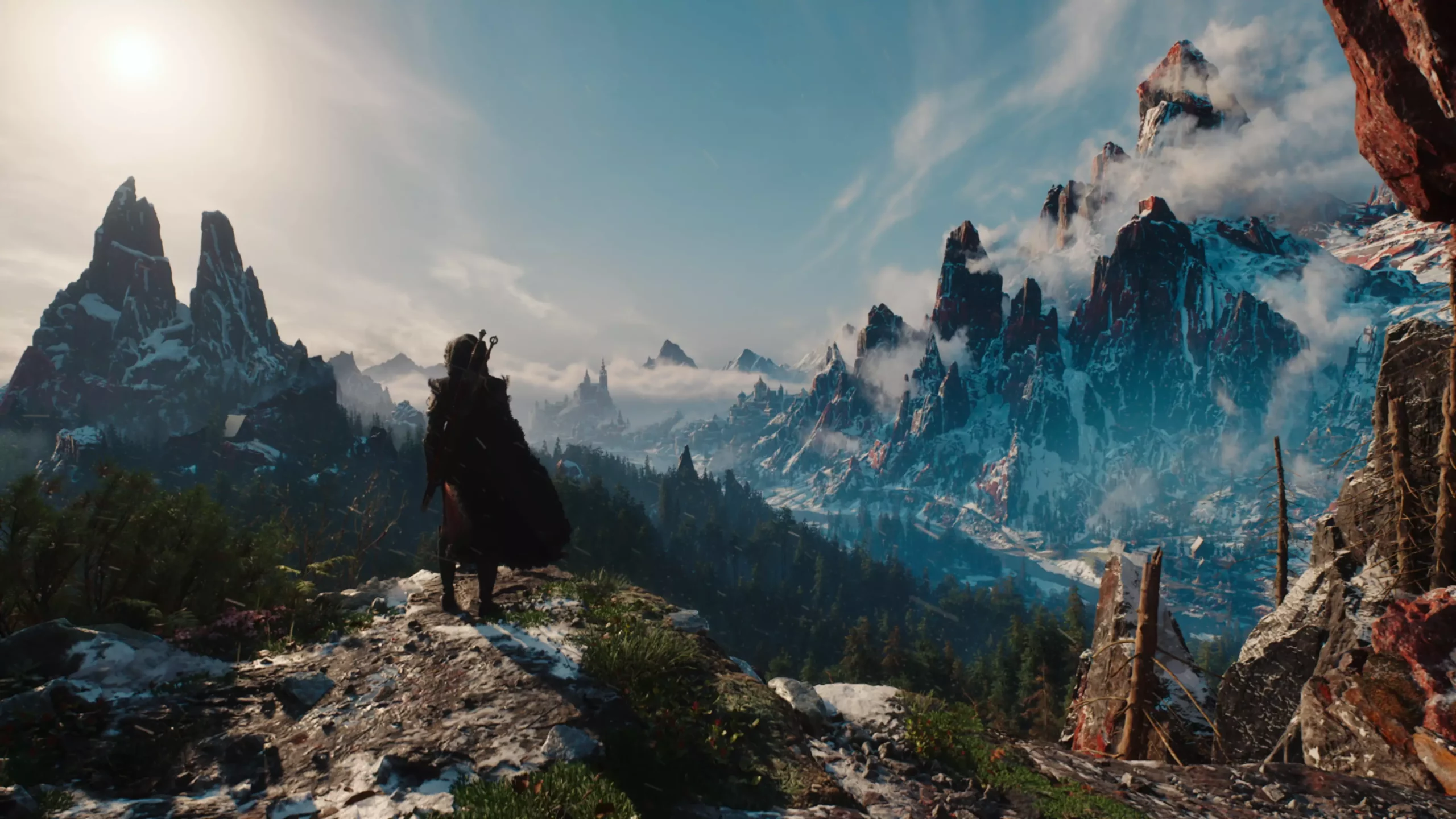
The gaming world is alive with anticipation for *The Witcher 4*, yet a profound misunderstanding looms over what a tech demo signifies in relation to the final game. This distinction is vital for setting realistic expectations. Recently, Jan Hermanowicz, CD Projekt Red’s engineering production manager, emphasized that the visuals showcased during *The Witcher 4’s* State of Unreal event are meant to illustrate the technological advancements of the game rather than represent the game itself in its completed form. This statement opens the door to a broader conversation about the often-blurred lines between anticipation, presentation, and the final product in the gaming industry.
Unlike cinematic trailers, which are produced with meticulous care to convey gripping narratives, tech demos serve a different purpose. They are primarily intended to showcase capabilities, act as a vision for what might come, and encourage speculation about gameplay dynamics. However, as evident from Hermanowicz’s comments, this can lead to misinterpretation by the audience, who may mistakenly assume that these tech demos are heralding definitive game content. Despite the assets used being modeled by CD Projekt Red, their potential deviation from the final version raises questions about how much we can rely on previews of this nature.
The Specifics of *The Witcher 4’s* Setting and Style
Set in the northern kingdom of Kovir, *The Witcher 4* promises a rich narrative landscape for players to explore. Hermanowicz reassured fans that aspects of the tech demo would indeed find their way into the finalized game; however, he also cautioned that the aesthetic decisions made today might evolve as development progresses. This ongoing shift reflects a larger theme in game development—creating a cohesive vision amid changing artistic sensibilities. The studio’s intent to retain a similar art style and visual direction is notable, but the acknowledgment that the game is still in its nascent stages introduces uncertainty.
It’s fascinating to note the commitment to transparency expressed by CD Projekt Red. After the storm of criticism that followed the launch of *Cyberpunk 2077*, the developers seem to be making a concerted effort to inform players of the distinctions between a tech demo and the eventual gameplay experience. This self-awareness is refreshing, particularly in an industry where many studios have fallen prey to the temptation to overhype what their games will deliver. Nonetheless, effective communication is a delicate dance—while one part of the team may aim for transparency, another might lean towards creating excitement, leading to the complications Hermanowicz suggests have arisen.
Lessons from the Past and Navigating Expectations
The cautionary tales of *Cyberpunk 2077* have clearly shaped CD Projekt Red’s current approach. The launch misfires taught developers that player expectations must be managed meticulously, as stark contrasts between promotional materials and the actual game can alienate a fanbase. Hermanowicz’s discussions underscore the company’s resolve not to repeat these patterns. By characterizing the tech demo explicitly as a “showcase of technology,” they attempt to sidestep pitfalls of the past.
Furthermore, navigating the community’s response is another intricacy at play. Gamers are known for their keen observational skills, often scrutinizing every detail and comparison to previous titles. Hermanowicz’s reference to the visual discrepancies experienced during the *Witcher 3* rollout highlights this tendency. As fans of the series are quick to remind others, graphical issues can arise—sometimes significantly after the initial previews—and thus serve as a reminder of the complexities inherent in creation.
Ultimately, CD Projekt Red finds itself at a crucial intersection, where keeping the excitement around *The Witcher 4* alive hinges on accountability and realism. While the allure of cutting-edge visuals can captivate the audience, acknowledging that these initial representations are subject to change is imperative. Player trust is a fragile commodity, and as development unfolds over the coming years, maintaining that trust while delivering a compelling final product will remain the studio’s greatest challenge. As we stand on the brink of this next adventure in the *Witcher* universe, the industry watches closely, eager to see how these lessons translate into actionable results.
Leave a Reply