
In the realm of video games, the ability to manipulate gravity offers players an experience that is at once exhilarating and cerebral. Ever since the groundbreaking release of Gravity Rush 2, which expertly blended whimsical storytelling with innovative mechanics, fans have longed for a sequel that would continue to explore the depths of gravity manipulation. Unfortunately, that wait has been drawn out endlessly, leaving passionate players in a state of limbo. However, the recent launch of Metro Gravity arrives like a breath of fresh air, offering a unique take on the gravity-shifting genre that promises not just nostalgia, but also a fresh and captivating experience.
Metro Gravity diverges from its predecessor in a significant manner: instead of granting players a God-like control over gravity, it allows for a more nuanced interaction with the game world. Here, you can walk on various surfaces, employing a locking-in mechanism for gravity based on your current position. This subtle divergence is more than just a gameplay mechanic; it sets the stage for a rich traversal experience, inviting players to strategize their movements in ways that feel refreshing and engaging.
Combat System: A Symphony of Moves
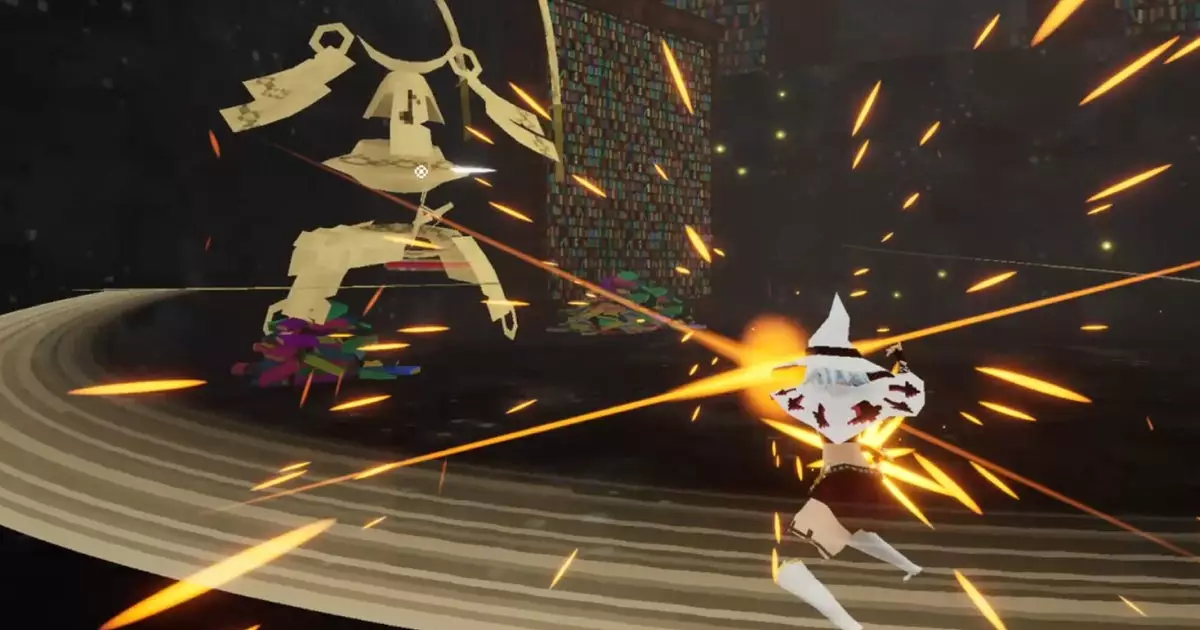
One of the standout features of Metro Gravity lies in its innovative combat system, which draws inspiration from rhythm games. Imagine engaging in battles where enemy attacks sync with the tempo of the soundtrack, creating an experience that feels alive and temporal. This rhythmic approach to combat isn’t merely a gimmick; it transforms each fight into a dance, challenging players to time their dodges and strikes with precision.
As the player progresses, they gain abilities reminiscent of titles like Sekiro, including a parry function that adds depth to the combat. This inclusion doesn’t just elevate the combat mechanics; it fosters a sense of mastery, rewarding players for their skill. Engaging with Metro Gravity’s battles becomes an art form, weaving together elements of concentration, rhythm, and intuitive strategy.
A Metroidvania in 3D: Navigating Complexity
The term “Metroidvania” typically conjures images of 2D landscapes filled with secrets and upgrades. Metro Gravity challenges these conventions by introducing a three-dimensional spin on the genre. The ability to walk on walls and traverse ceilings could lead to disorientation, but fortunate for players, the game’s design is intuitive enough to handle this complexity. A fluid spatial awareness is encouraged, as players quickly adapt to the nonlinear world that Metro Gravity showcases.
The game actively engages the cognitive faculties, presenting players with environmental puzzles that require both lateral thinking and an understanding of spatial dynamics. Moreover, as you access various maps tied to distinct aesthetics and atmospheres, the experience becomes even more immersive, making navigation a delightful adventure rather than a chore. This compelling combination of depth and discovery is one that many games in this genre struggle to achieve.
A Refreshing Entry Point for Enthusiasts
Reflecting on Metro Gravity, it becomes evident that the game is not just a mere homage to its predecessors but rather a nuanced reimagining that builds upon existing mechanics while introducing new elements. This genre has long craved a title that dares to innovate while remaining accessible. In a landscape littered with conventional metroidvanias, Metro Gravity stands apart, beckoning both newcomers and long-time fans.
While it’s essential to acknowledge the influence of games that came before it, Metro Gravity displays a maturity in its design philosophy—resonating with players on multiple levels. The marriage of engaging gameplay with a compelling narrative serves as an enticing invitation to explore a world where gravity isn’t just a mechanic, but a core aspect of the player experience.
In summation, Metro Gravity is not merely a game; it is an experience that redefines how we interact with gravity in video games. Its unique mechanics, rhythmic combat, and vibrant world make it not just a worthy contender in the gaming landscape, but a delightful excuse for players to lose themselves in a whimsical, gravity-defying universe.
Leave a Reply