
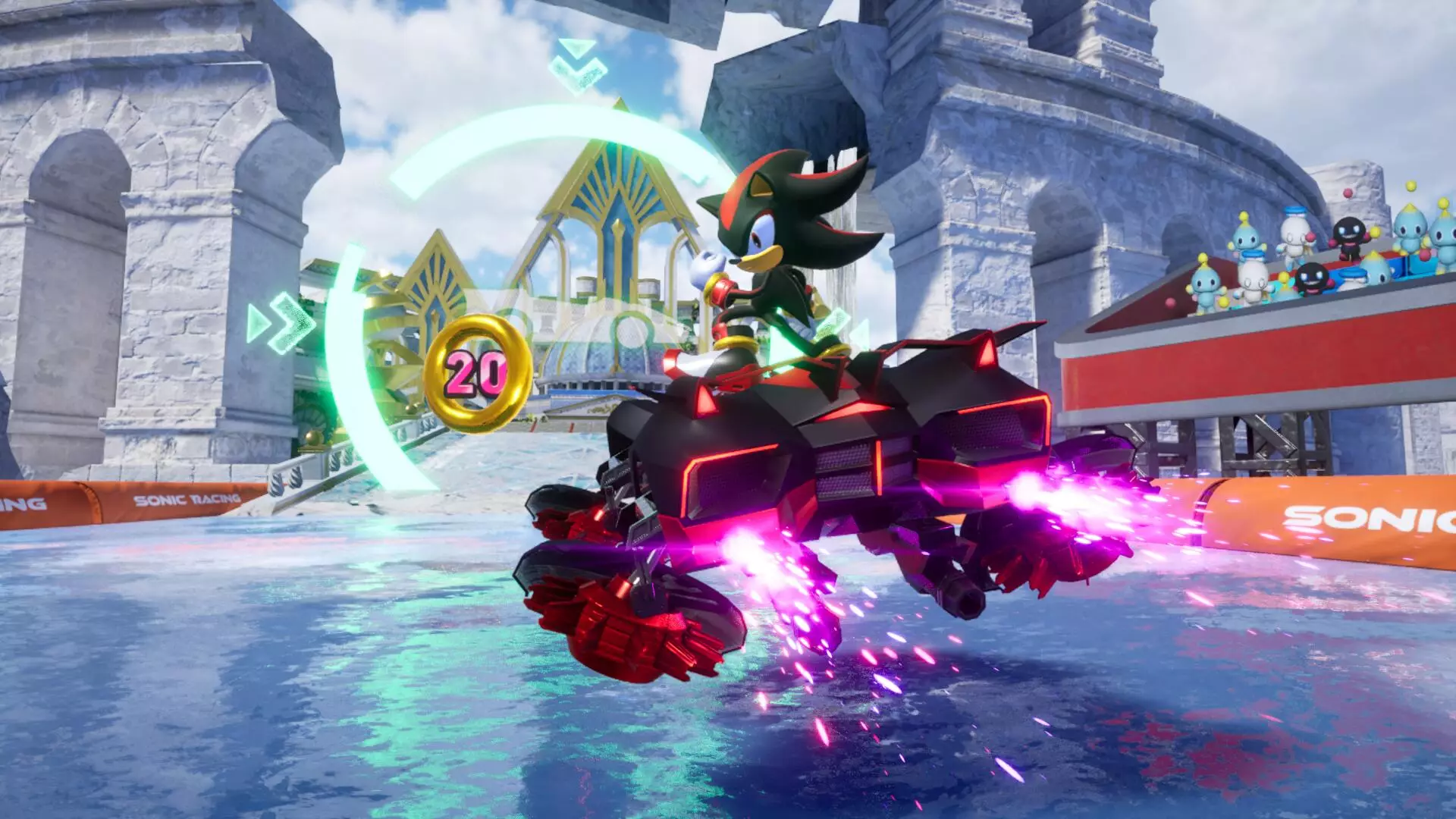
Sonic Racing: CrossWorlds marks a pivotal moment in the evolution of racing games, particularly within the long-established Sonic franchise. This title brings a refreshing perspective by intentionally stripping down the often chaotic clutter of items that have defined the genre. As Takashi Iizuka, a stalwart in the Sonic series, emphasizes in his conversation with GamesRadar+, the collaborative efforts between the Sonic and Sega Arcade Racing teams aimed for an experience that leans heavily on skill rather than luck. By focusing on the purity of racing mechanics from the outset, developers have opened a new avenue where strategy and skill reign supreme.
The Philosophy Behind Design
What’s particularly striking about Sonic Racing: CrossWorlds is its development philosophy. Rather than relying on extrinsic power-ups to create excitement, the team meticulously crafted vehicle dynamics and course designs that hinge on player skill. This choice reflects a laudable ambition to foster a gaming atmosphere where every racer truly has a fair chance of winning. Iizuka’s assertion that the team wanted to create a “balanced, fair” game is not merely a marketing buzzword; it underscores a deep commitment to player experience. By prioritizing what is essential—competent racing—the game intends to foster a competitive spirit without the clutter of overly powerful items.
Iterative Playtesting for Perfection
The journey to achieving a truly balanced experience didn’t stop at initial designs. Iizuka recounts an extensive series of playtests, aimed at refining every element of gameplay. This meticulous approach underscores a profound understanding of player psychology; developers recognized that overly aggressive items could lead to frustration rather than enjoyment. The credo of removing “anything that was very stressful” illustrates a consideration for the player experience that too often gets lost in game design. By chamfering the rough edges of competition and honing the core mechanics, the team has aspired to create a realm where players feel engaged and challenged without the frustrations of abrupt changes in fortunes.
The Challenge of Competitive Play
While Sonic Racing: CrossWorlds has successfully paved a path toward fairer play, it raises an intriguing question: will the absence of chaotic item mechanics make racing less engaging? The thrill of tightly contested races often lies in unpredictable outcomes, particularly in established franchises like Mario Kart. Iizuka’s insight into maintaining an element of chaos suggests that the game will still embody that exhilarating feeling, but with a focus anchored in fairness. This delicate balancing act could redefine how players approach competitive racing games, steering away from item-driven chaos toward skill-based triumphs.
Looking Forward in Racing Game Evolution
As racing games proliferate with increasingly creative concepts, the approach taken by Sonic Racing: CrossWorlds may signal a broader shift in the genre. By empowering player skill over item luck, it resists the notion that chaos is an essential component of enjoyment. Whether this game will be able to hold its own against its more chaotic predecessors remains to be seen, but the ambition for a fair, skill-based racing experience could very well be the future. As the dust settles on this new release, it will be fascinating to observe how gamers respond to this thrilling balance of competition.
Leave a Reply