
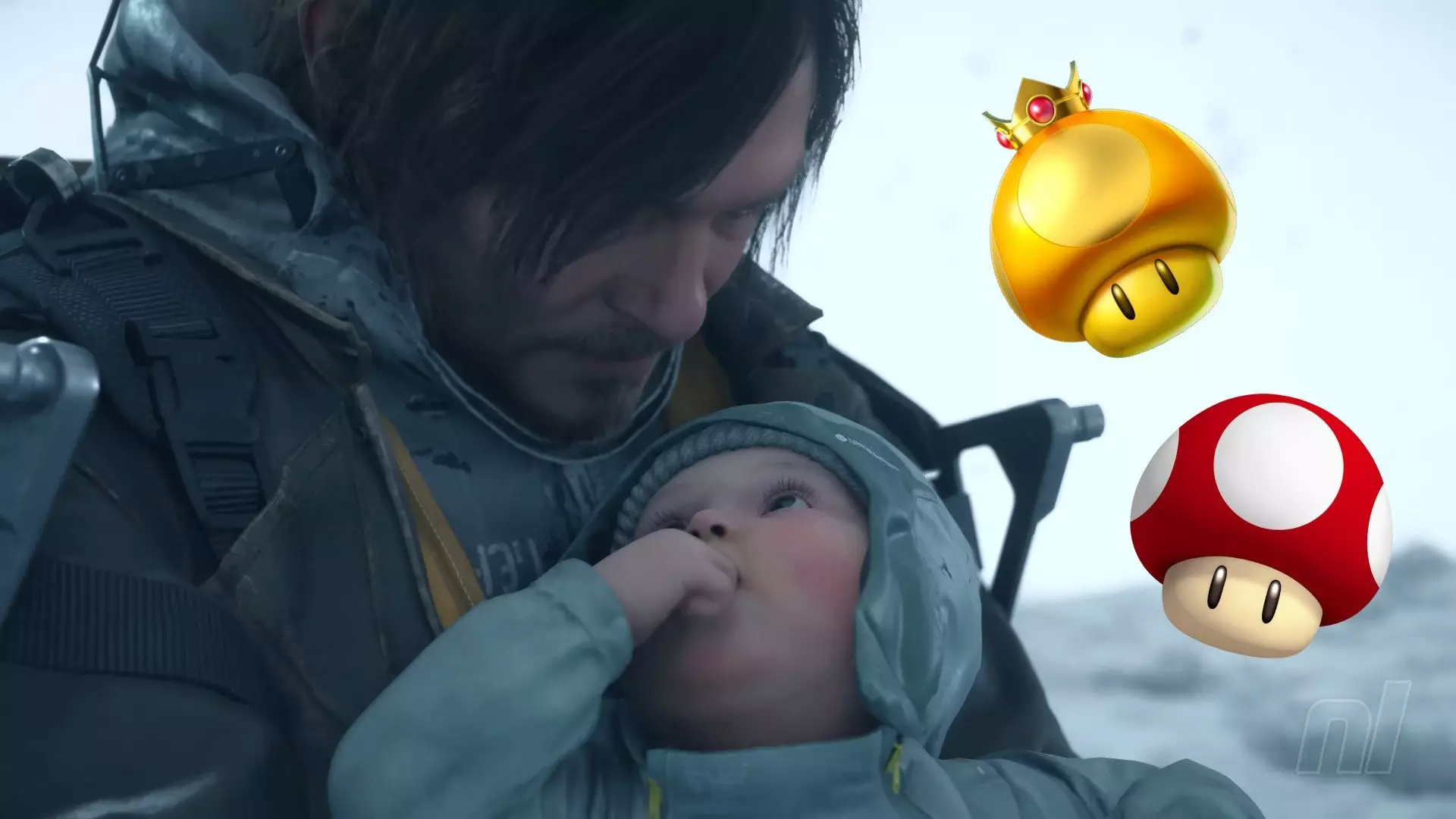
With the much-anticipated release of *Death Stranding 2: On The Beach*, fans of Hideo Kojima’s innovative gaming world are exhilarated. Known for its distinctive gameplay that combines elements of adventure and emotional storytelling, the sequel dives into a universe rich with symbolic choices and references. As players immerse themselves in this new chapter, curious connections to the iconic *Super Mario* franchise have begun to surface, grabbing the attention of fans and critics alike. In particular, the introduction of Mushroom Badges is sparking discussions that suggest a deeper homage to the beloved character of Mario.
A Playful Nod or Intentional Reference?
At first glance, the Mushroom Badges could be dismissed as mere Easter eggs—items meant to provide lighthearted fun without substantial significance. However, given Kojima’s well-noted penchant for layered storytelling and nuanced design, one must consider whether these badges serve a more intricate purpose. The delightful visual of the Fly Agaric mushroom may not be coincidental; rather, it may intentionally echo traditional gaming motifs. This begs the question: Is Kojima slyly intertwining unique cultural symbols with elements familiar to gamers, essentially blending universes in a way that only he can?
Most notably, the presence of terms like “Golden Toadstools” just adds fuel to this speculative fire. While it could be an innocent inclusion, many enthusiasts believe that Kojima is subtly inviting players to draw parallels between his characters and the vibrant personalities from *Super Mario*. Much like the recurring themes of companionship and adventure found in both games, such references may be part of an elaborate narrative web that contributes to a shared gaming lexicon.
Exploring Character Comparisons
The analysis doesn’t stop with the mushrooms. Veteran players of *Death Stranding* will likely recall either begrudgingly or fondly that the original game contained its own references to Mario and Princess Peach. Critics and fans have noted that similarities between the relationships in these narratives could reflect deeper psychological or emotional undercurrents that connect disparate narrative styles. Such creative choices heighten the experiential tapestry Kojima weaves and challenge players to evaluate the meaning behind these playful nods.
In this light, the connection to Mario feels like an intelligent satire of genre conventions, questioning what it means to be a hero in a shattered world. By juxtaposing the carefree escapism of Mario against the somber existentialism that *Death Stranding* often explores, Kojima brilliantly creates a dichotomy that reflects on the nature of reality itself.
What Lies Ahead?
The conversations around these thematic breadcrumbs will undoubtedly evolve as players delve deeper into the story. The prospect of uncovering hidden references and drawing connections will electrify the community, encouraging discussion and speculation. As we uncover the intricate layers lying beneath the surface, including perhaps a Bullet Bill cameo, it becomes abundantly clear that Kojima’s work invites players to draw connections not only within the game but also across the broader landscape of gaming culture. The dialogues surrounding these intersections are just beginning, establishing *Death Stranding 2* not as just another sequel, but as a nuanced conversation about storytelling in the gaming arena.
Leave a Reply