
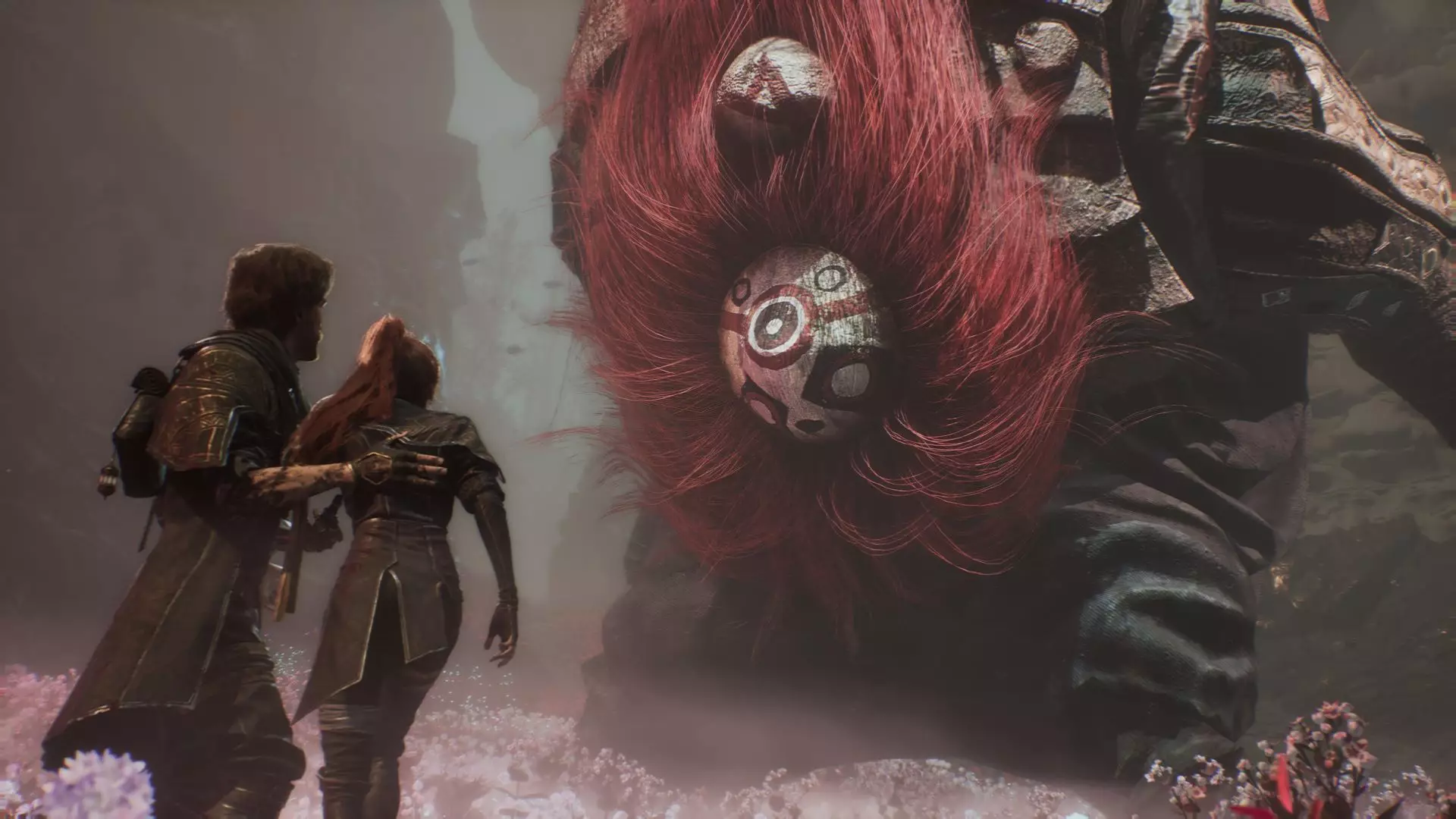
The competitive nature of gaming often places titles in a perpetual state of flux, as they vie for top honors. Recently, the spotlight has shifted back to the renowned franchises of The Legend of Zelda, with both *Breath of the Wild* and *Tears of the Kingdom* reclaiming their spots atop Metacritic’s rankings. With a coveted score of 95 for *Tears of the Kingdom* and a commendable 93 for the original *Breath of the Wild*, these classics have illustrated a significant narrative: legacy can sometimes overshadow innovation. In contrast, Clair Obscur: Expedition 33, which shared a score of 93, finds itself playing second fiddle despite having a more extensive review base of 84 critiques. This scenario raises questions about the volatility of gaming accolades and the weight they carry in establishing a game’s legacy.
The Challenge of Legacy
What is it that allows a franchise to maintain its allure, even as newer titles emerge? The Zelda series offers not merely gameplay but a well-crafted and immersive universe that draws players back time and again. The introduction of upgrade packs for both titles on the Switch 2—boasting features like enhanced resolution, improved frame rates, and HDR support—provides an alluring reason for gamers to revisit these familiar landscapes. While clair obscur brings its own novelty, it’s tough to compete against such entrenched titans revitalized by technological advancements. The juxtaposition of numbers in Metacritic illustrates an often-overlooked truth: gameplay experience and nostalgia can eclipse fresh innovations, leaving newer titles at a disadvantage simply because they lack an established legacy.
Marketing vs. Merit
Interestingly, the dilemma that confronts Clair Obscur involves the pressure associated with Metacritic ratings, a phenomenon whereby publishers labor to leverage scores obtained from various critics. The game’s marketing strategy may soon grapple with relevant industry benchmarks—after all, having the title of “best-rated game” becomes less significant when compared to games with fewer reviews that somehow surge ahead, solely because they belong to more recognized franchises. The prospect for *Clair Obscur: Expedition 33* to be valorized based on a raw score feels superficial if the gaming community knows it’s fighting against titles equipped with nostalgia and innovation. This brings to light a vital debate: should ratings dictate the perceived quality of a game, or should the experience hold the ultimate sway?
The Ongoing Race for Recognition
The crux of this discussion connects back to the very fabric of the gaming industry. Players deeply invested in newer titles still hold optimism for their trajectories, especially with awards season looming in the not-so-distant future. *Clair Obscur: Expedition 33*, given its merit and critical reception, possesses a robust foundation that suggests it deserves recognition beyond numeric figures—especially if it continues to engage players and drive conversation. The transformation of the gaming landscape remains an evolving saga, with each release bringing something new to the dialogue around what defines success in 2025 and beyond.
In this ceaseless ebb and flow of gaming accolades, players are likely to find joy not just in the games they love but in the discussions that such rankings engender. The competition is rigorous and ever-changing, drawing not just the curious gamer but everyone invested in the craft of game development. As the year progresses, we may witness even greater upheaval, reminding us that the game isn’t just about victories but about inspiring experiences that linger and provoke discourse for years to come.
Leave a Reply