
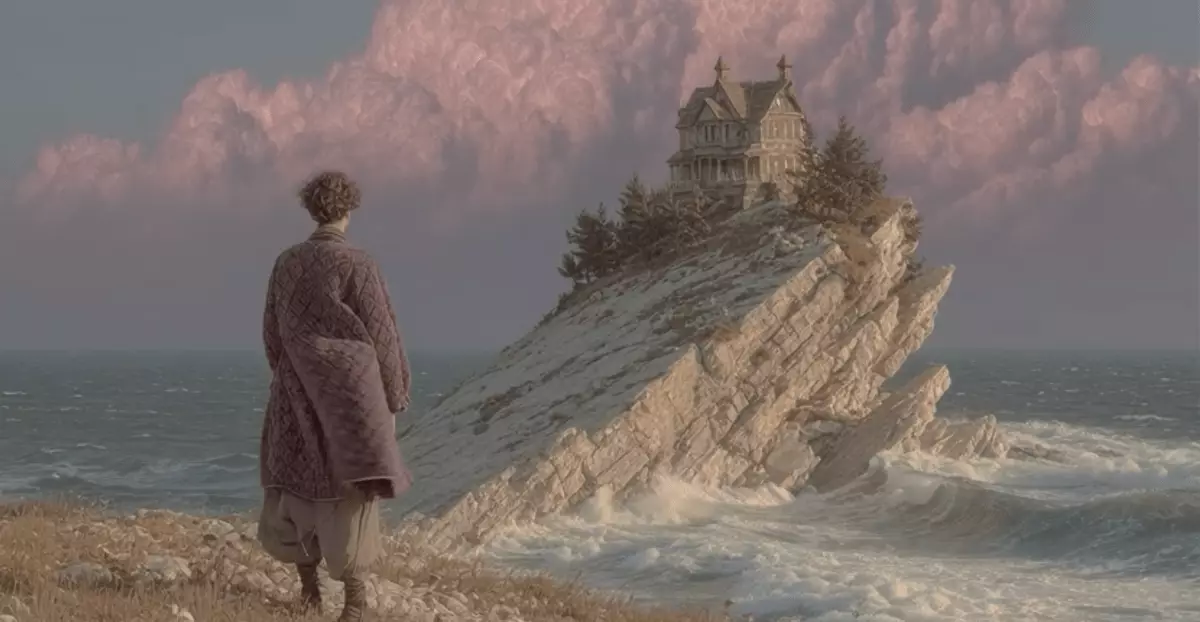
Midjourney has taken a bold step into the realm of motion graphics and video creation, recently unveiling its inaugural AI video generation model. This groundbreaking feature allows users to transform static images, either uploaded or generated within Midjourney itself, into short animated video clips. For creators and artists alike, this innovation holds tantalizing potential. Imagine the possibilities—turning a serene landscape or an abstract digital artwork into a moving story can open the door to entirely new artistic expressions.
What makes this function particularly exciting is its accessibility. No extensive technical skills are required; users simply need to click a new “animate” button after creating an image. This feature signals the beginning of a new era where creativity blends with technology seamlessly, allowing anyone to dip their toes into video production. With animation options tailored by user-defined text prompts, artists maintain a degree of control while still benefiting from the AI’s capability to offer generic motion concepts.
Flexibility and Control for Creators
Intriguingly, Midjourney also provides users with the freedom to modify the nature of the animation with a “manual” option. This feature allows for personalized input on how the motion should be portrayed, adding a layer of specificity that can differentiate one project from another. Additionally, users can extend their animations incrementally by four seconds, up to a maximum of 21 seconds. Such flexibility encourages creativity while helping creators to adhere to specific narrative requirements or artistic styles. High/low motion settings further enhance this functionality by letting users choose whether both the subject and camera will move, or just the subject itself.
The current requirements for access, namely a subscription that starts at $10 per month for approximately 3.3 hours of “fast” GPU time, might seem steep at first glance. However, the allure of harnessing cutting-edge technology to produce and animate visuals can easily outweigh the financial commitment for individuals seeking innovative ways to elevate their work. It positions Midjourney as a platform not just for casual users, but a springboard for professional content creators aiming to experiment with visual storytelling.
Challenges and Controversies
Nonetheless, this leap into video generation has not come without its controversies. Midjourney is entangled in a legal dispute with major players in the entertainment industry, namely Disney and Universal. The crux of the lawsuit hinges on the concern that Midjourney could potentially infringe upon copyright laws by generating videos based on copyrighted materials. Disney and Universal have expressed fears that the platform serves as a “virtual vending machine,” producing unauthorized copies of their intellectual property. This lawsuit raises significant questions about the implications of AI-driven content generation and the boundaries of creative ownership in a digital landscape.
Midjourney’s founder, David Holz, has emphasized that the current version of the video generation tool is merely a foundational step. He envisions progress toward creating models capable of real-time open-world simulations. This ambitious goal highlights the transformative potential of AI in both artistic expression and entertainment. Yet it also underscores the critical need for ethical guidelines and frameworks to guide the use and evolution of these potent tools, ensuring that creativity thrives without infringing upon others’ rights.
The Competitive Landscape
Interestingly, Midjourney’s foray into video generation is echoed by similar initiatives from tech giants such as Google, OpenAI, and Meta, all of which have developed their own AI video generation models. This indicates a burgeoning competitive landscape, wherein each platform vies to offer unique functionalities that appeal to a wide array of users—ranging from hobbyist creators to professional artists. The rivalry serves as a validation of the demand for such technologies and could spur further innovation as companies race to attract and retain their user base.
The promise of AI-driven animation beckons a new wave of creativity. As platforms refine their tools and legal landscapes evolve, the potential for artists to blend technology with creativity in groundbreaking ways will only increase. This not only fosters individual expression but also pushes the boundaries of what we consider art in the digital age. In such exciting times, one cannot help but anticipate how these developments will mold the future of visual storytelling.
Leave a Reply