
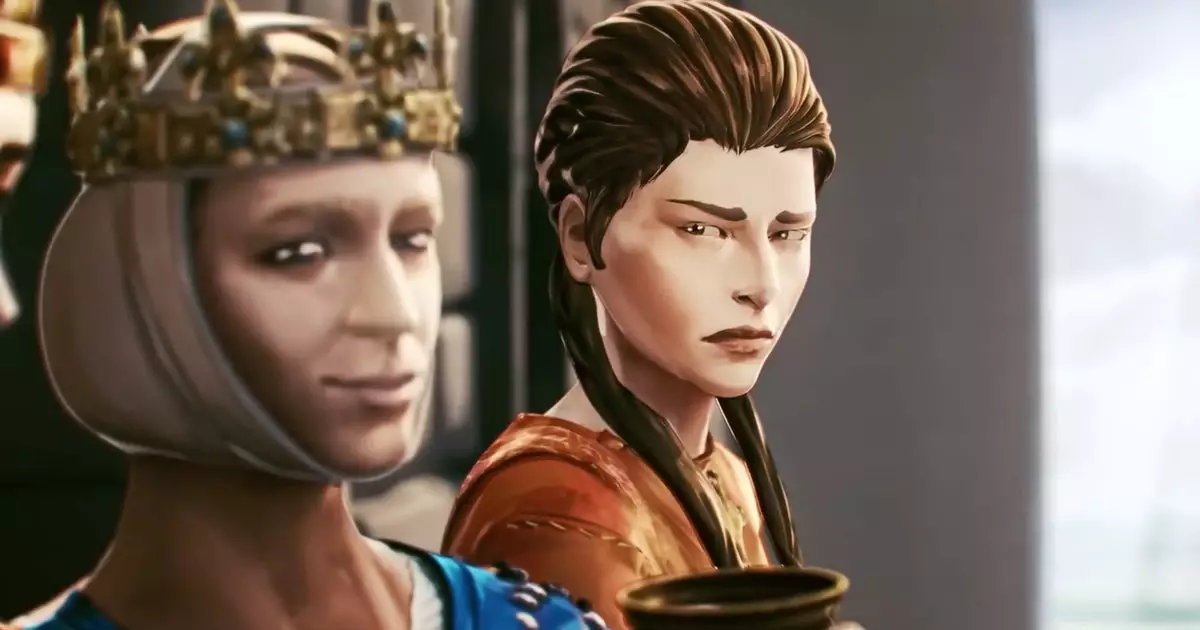
In a bold move that echoes through the vast medieval realms of Crusader Kings 3, Paradox Interactive has unfurled a player survey that seeks to carve a path for the game’s future. Unlike typical questionnaire engagements, this latest initiative delves into the psyches of its players, inviting them to articulate their preferences and hopes for forthcoming content. The phrase “Your kingdom, your call” encapsulates an empowering sentiment, suggesting that player voices will resonate in the game’s ongoing evolution. Yet, beyond mere rhetoric, the survey offers critical insights into how developers view the balance between roleplay and challenge in grand strategy gaming.
The complexity of player motivations is often underestimated. For those ensconced in the sprawling mechanics of CK3, the distinction between roleplaying and systemic challenges is pertinent. Paradox isn’t just seeking simple feedback; they are mapping player archetypes to better understand the myriad ways players engage with their product. This survey lays bare a duality: the desire to weave compelling narratives and the ambition to master the game’s tactical intricacies. For instance, a player who derives joy from staging dynastic marriages might find their strategic experience equally rewarding when navigating military conquests or optimizing income. This interweaving of disparate game elements speaks volumes about the richness developers must retain to satisfy a varied player base.
Understanding Player Archetypes: The Heart of Gameplay
The survey’s opening question on player archetypes isn’t simply about categorization; it reflects a larger philosophical inquiry about what makes games resonate. The binary options provided—roleplaying or overcoming systemic challenges—reveal essential truths about player engagement. By encouraging respondents to assign value to each facet, Paradox forces players to confront their motivations and preferences. This introspection serves two purposes: it sharpens player narratives and provides the developers a clearer target for future content.
Imagine a player who prioritizes systemic challenges—these are gamers enamored by the mechanics of warfare or economic supremacy. Their experience is less about creating an immersive world and more about the triumph of strategy. Conversely, those who revel in roleplay craft identities within the game, breathing life into characters shaped by their choices. This diversity of engagement not only enriches the community but highlights a challenge for game developers: how to cultivate systems that support and enhance both playstyles without compromising the game’s integrity.
Direction and Themes: A Glimpse into the Future
Beyond the questions of player identity lies the intrigue of thematic exploration. The survey invites feedback on crucial thematic elements such as trade, feudalism, and religion—components steeped in historical significance yet ripe for innovative gameplay. The detailed inquiries about trade, for example, suggest Paradox might be contemplating an expansion that incorporates merchant dynamics in novel ways. Could naval trade and merchant republics become pillars of the next expansion? Such thematic focus addresses a broader audience, enhancing not only gameplay mechanics but also introducing complex narratives.
Moreover, the emphasis on traditional constructs like feudalism and the crusades promises a retention of historical authenticity while allowing room for new storytelling experiences. These questions extend beyond mere data collection; they showcase a commitment to player-driven development, a hallmark of the best community-oriented game studios. Engaging fans through detailed questionnaires not only identifies consumer interests but also fosters a deeper connection to the narrative fabric of the game.
Reflections on Emergent Storytelling
As Brendy’s insights reveal, emergent storytelling within CK3 is one of its most enthralling aspects. Players find themselves encapsulated within dynamic narratives, often crafting experiences that transcend the developer’s initial intentions. The mention of unintended consequences and delightful chaos—like leaving behind more dead bodies than anticipated—illustrates the game’s capacity for whimsy and unpredictability. This dimension adds an important layer, reminding developers that player creativity can often outstrip scripted narratives.
Encouraging the acknowledgment of emergent play suggests that Paradox is aware of the magic generated by player choices. This understanding could lead to an embracing of unexpected outcomes in future content and mechanics—a bold leap forward that respects the avenues through which players derive joy and satisfaction.
As Paradox gathers this wealth of input, one anticipates radical evolution in gameplay that remains grounded in the essence of what makes Crusader Kings 3 extraordinary. For the community, the current moment is not just a survey—it’s a clarion call to shape the game’s legacy together.
Leave a Reply