
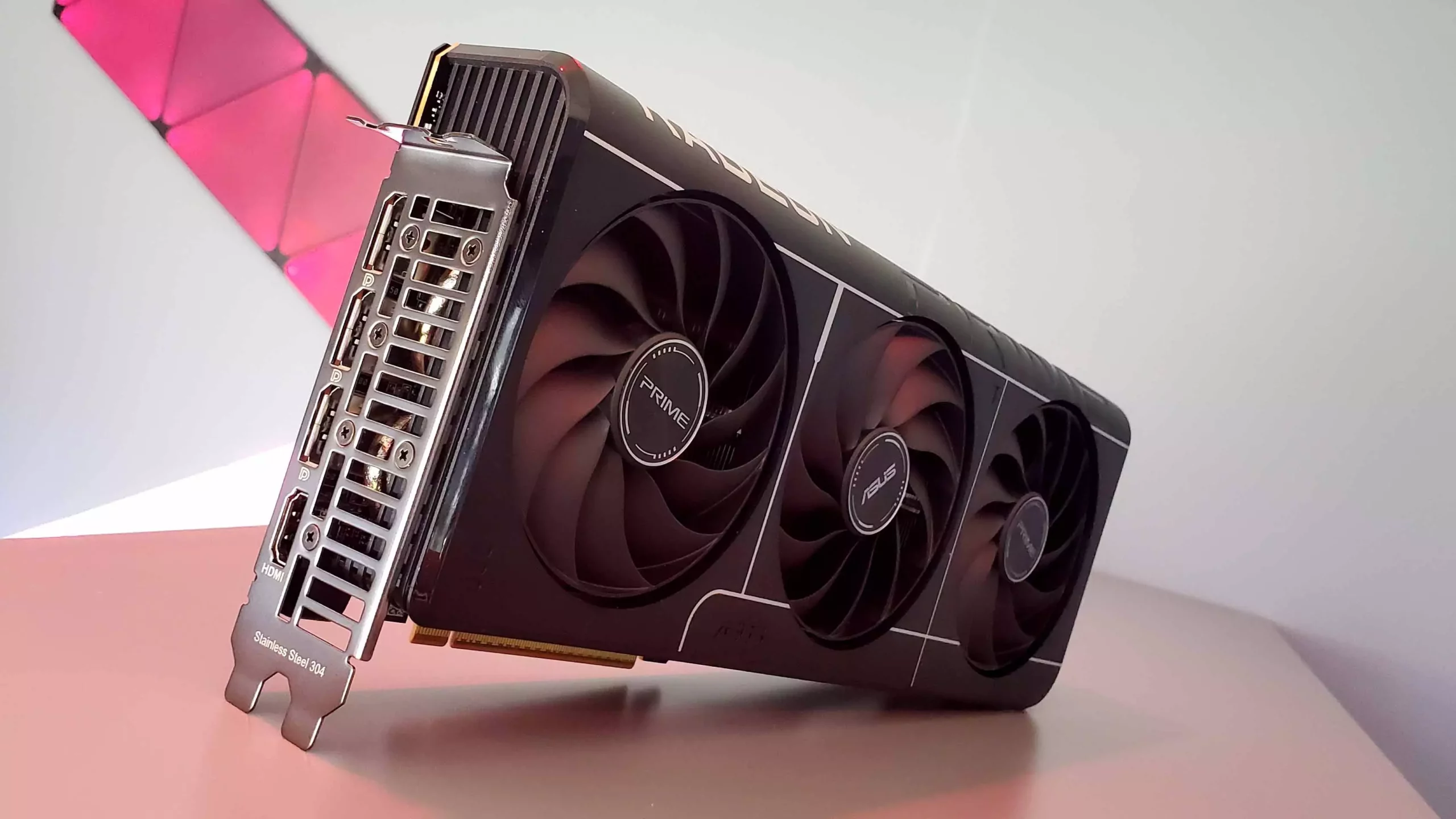
In the ever-evolving landscape of graphics cards, AMD is making bold strides with its Radeon RX 9070 XT line. Among the various iterations of this GPU, a recent video from Bilibili hardware channel 51972 has revealed a surprising aspect concerning the memory chips leveraged in different models. Specifically, the spotlight is on the performance discrepancy between GDDR6 memory manufactured by Samsung and that from SK Hynix. While the difference seems minimal at first glance, a closer inspection reveals important implications for consumers and gamers alike.
Performance Benchmarks: A Closer Look
According to the benchmarking data presented, the RX 9070 XT cards utilizing Samsung GDDR6 chips exhibit an average performance drop of approximately 2.6% compared to their SK Hynix counterparts. While some may dismiss this decrease as negligible, it raises critical questions about the overall consistency and design strategy involved in AMD’s latest offerings. This benchmark was conducted through a single test—3DMark Speed Way—indicating that while the findings are informative, they should not be treated as definitive. This limited scope could easily overlook variances that arise from diverse gaming environments or intensive workloads.
Understanding the 2.6% Gap: Implications and Context
At first blush, a 2.6% reduction in performance may not induce panic. Many gamers might find that such a minor shortfall won’t have a significant impact on day-to-day gaming experiences. However, it’s essential to grasp the broader implications. For budget-conscious consumers or those aspiring to maximize every dollar spent, this small percentage difference signifies an essential consideration when selecting graphics cards. If the slightest change can sway performance, could this become a trend as manufacturers pivot to alternate chip suppliers?
Moreover, for enthusiasts and overclockers who push hardware to its limits, the question of performance consistency becomes even more pressing. The reported looser timings of Samsung’s GDDR6 memory could indicate challenges in achieving optimal performance under severe stress, affecting users who actively seek to boost their GPU capabilities.
Evaluating Real-World Impact
Even though the benchmarks signify a drop in performance, how relevant is this shift in real-world conditions? Initial tests have shown that the RX 9070 XT’s capabilities are indeed comparable to those of its direct adversaries, such as the RTX 5070 Ti. Therefore, if the marginal difference translates into minimal practical effect during typical gameplay, are consumers justified in being disgruntled over this finding?
Furthermore, the primary concern lies in whether consumers will recognize and react to these distinctions when making purchases. Are graphics card retailers prepared to clarify which models utilize Samsung memory versus those equipped with SK Hynix to ensure transparency? This clarity could enable consumers to make informed decisions and lead to greater accountability within the hardware manufacturing space.
Overclocking Potential: The Unknown Factor
Another area of intrigue raised by this development is the overclocking potential of the Samsung-equipped RX 9070 XT models. Overclocking remains a notorious venture among hardware enthusiasts, and the inquiry arises—will these cards provide the same flexibility and performance boosts as their SK Hynix-equipped counterparts? While individual testing will ultimately provide the clarity needed, the uncertainty around this factor creates additional layers of complexity for prospective buyers.
Moreover, discussions about undervolting and memory tuning capabilities introduce exciting avenues for performance enhancement. Reports of successful modifications, such as undervolting yielding significant performance gains, further magnify the urgency for careful evaluation when choosing a GPU model.
The Verdict: A Cautious Outlook
Despite the promising nature of the RX 9070 XT series overall, the slight performance dip linked to Samsung’s memory chips is a noteworthy concern that shouldn’t be overlooked. As consumers navigate this intricate landscape of hardware, attention to even minor details will prove paramount in ensuring satisfaction with their purchases. The technical specifications and real-world implications both serve to illuminate the careful considerations each gamer must weigh before investing in their next graphics card. In a realm where minute performance gaps can dictate market trends, understanding the nuances involved is more crucial than ever.
Leave a Reply